
REVIEW · DJERBA ISLAND ESCAPES
Kitesurfing Discovery Course in Djerba
Kitesurfing lessons can be calm and safe. In Djerba, this discovery course is built around a huge, flat, shallow lagoon, so you can learn kite control without the stress of rough water. Add in a welcoming training vibe, and the whole thing feels like a sport lesson, not a stunt.
My second big win is the coaching. The team, led by instructors like Zied (and friends you may meet such as Aladdin, Hamza, Marwen, Dana, and Wajdi), teaches in a way that matches your level, whether you are brand new or trying to progress.
One thing to consider: the session depends on weather, and you also need to pack the basics since sunglasses, sunscreen, and towels are not included. If conditions are not right, you’ll be offered another date or a full refund, so plan with some flexibility.
In This Review
- Key Highlights You’ll Care About
- Why Djerba’s Flat Lagoon Makes Beginners Relax
- What Happens During a 3-Hour Kitesurfing Discovery Session
- A practical note about timing
- Safety Gear and the Kite Flight Window, Explained in Real Terms
- Equipment, Insurance, and IKO Validation You Can Use
- The Team Style You’re Likely to Feel Right Away
- Price and Value: When $92.92 Feels Fair
- What to Bring (So Your Session Does Not Get Slowed Down)
- On-Site Extras: Paddle, Kayak, and Beach BBQ Evenings
- Who This Discovery Course Is Best For
- Should You Book the Kitesurfing Discovery Course in Djerba?
- FAQ
- How long is the kitesurfing discovery course in Djerba?
- What time does the course start?
- Is pickup included?
- What skills will I learn during the session?
- What’s included in the price, and what should I bring?
- What happens if weather is poor or I need to cancel?
Key Highlights You’ll Care About
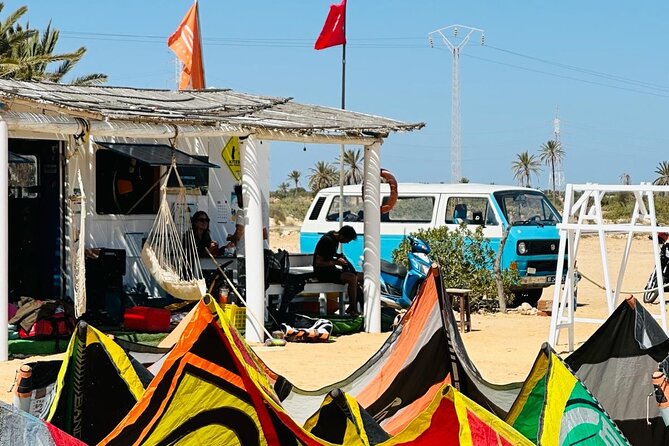
- Flat, shallow lagoon learning zone: easier water access and more time practicing close to safety
- IKO-trained instruction: structured lessons with an IKO license to validate your level
- Skill path that builds fast: from small two-line sail piloting to one-hand kite control
- Real safety focus: you’ll learn security equipment and systems, plus the kite’s flight window
- Private, coached time: your group participates only in this activity
- More than kitesurfing on-site: paddle and kayak rentals available, plus beach BBQ evenings by the team
Island time on Djerba. Here is the rest of what runs from the coast
- Djerba Flamingo Island Pirate Boatrip – Trip, Lunch & Pick-up★ 3.5 · 84 reviews
- Guided Tour of Djerba island, Museums, Crocodile park & lunch★ 4.0 · 52 reviews
- Half Day Trip to Djerba Island★ 5.0 · 27 reviews
- Private 3h00 quad ride on the island of Djerba★ 4.5 · 18 reviews
Why Djerba’s Flat Lagoon Makes Beginners Relax
If you’ve ever tried to imagine learning kitesurfing on open sea, you already know the problem. Wind can feel scary, waves can ruin your timing, and getting in and out of the water can eat your learning time. Here, the setup is different: the school uses a huge lagoon where the water is flat and shallow, which makes the sport more forgiving.
That shallow water detail matters more than it sounds. When you are practicing early kite control, you want to be able to stand, move, and recover without fighting the ocean floor. You also get better chances to repeat the same drill because you are not constantly dealing with deep water, big chop, or long swims back.
The spot also comes with a relaxed, social feel. Reviews and the general description point to a mix of countries and a friendly atmosphere, plus extras like paddle and kayak rentals at the same place. If you like learning in a place that does not feel like a factory, this is a good match.
What Happens During a 3-Hour Kitesurfing Discovery Session
This course runs about 3 hours, which is long enough to feel like you did something real, not just attended a quick introduction. It is also private for your group, so you should not expect to share your instructor time with strangers.
The lesson is a progression, and you can think of it like a ladder:
1) You start with control and basics on small sail 2 lines.
2) Then you layer in safety systems and how the kite behaves.
3) Finally, you practice kite piloting and water movements.
Even without a detailed minute-by-minute schedule, the skills list tells you the flow you’ll experience.
First, you’ll learn to pilot the small sail 2 lines. This is where you build the first important habit: steering the kite and moving your body with it, instead of chasing it. It also helps you understand how the kite reacts when you move the lines, which is the foundation for everything later.
Next comes security equipment & systems and the flight window. This is not “fun theory.” It is the part that helps you stay safe when wind changes, and it helps you avoid the common beginner mistake of putting the kite where it should not be.
Then the practical skills ramp up: kite piloting, wing takeoff and landing, and moving and controlling the kite with one hand. One-hand control is a big milestone because it signals you are no longer just following the kite, you are directing it.
You finish with towed swimming. That part is especially useful because it teaches you how to move while connected to the system, so the first water experiences feel more like a controlled drill and less like a scramble.
A practical note about timing
The start time is listed as 12:00 am. That is either a data quirk or it could mean a different time on the ground. When you book, I’d confirm the exact meeting time with the provider so you arrive ready and not rushed.
Rather be in the water? More diving and watersports along the coast

Safety Gear and the Kite Flight Window, Explained in Real Terms
Kitesurfing has a safety reputation for a reason. Done wrong, the kite can pull you faster than you can think, and wind shifts can make the situation complicated fast. This course tackles that head-on by covering security equipment & systems early.
You are also taught how to use and understand the kite’s flight window. Even if you’ve watched videos before, the flight window is one of those concepts that becomes clear only when someone helps you see where the kite is supposed to be. In a classroom, it stays abstract. In shallow lagoon training, it becomes practical because you can connect your body position and line control to what the kite actually does.
Here’s what I like about this approach for beginners: you are not just learning how to move, you are learning how to avoid trouble. A kite lesson that starts with safety systems first usually means fewer panic moments later.
You’ll also practice wing takeoff and landing. Landing is where beginners often struggle because the kite wants to fall in its own time, not yours. Repeated takeoff and landing drills help you develop timing and reduce that “wait for it” feeling that can cause awkward line handling.
Equipment, Insurance, and IKO Validation You Can Use
You don’t have to hunt down gear before you arrive. The course includes kitesurfing equipment and also includes a civil liability insurance. For a first session, that combo reduces stress. You can focus on learning instead of wondering if your rented gear is compatible or if you’re missing an essential piece.
Another underrated benefit is the IKO license to validate the level. Even if you just want a fun day to try kitesurfing, having your level validated can help you plan what to do next. If you later want a longer progression, you already have a baseline to move from.
The course is also designed for both beginners and more experienced riders, so the instruction is meant to be adjustable. Reviews repeatedly praise the team for being attentive and professional, and that matters because good coaching is often about correcting tiny details, not repeating the same generic tips.
The Team Style You’re Likely to Feel Right Away
What stands out most from the feedback is the teaching vibe. People talk about instructors who are friendly, professional, and focused on making you comfortable, not just getting you through a checklist.
Names that come up include Zied, and also Hamza, Marwen, Aladdin, Mounder, Hichem, Amie, Ons, Dana, Ahmed, and Wajdi. That matters because it suggests a real team, not one person who is either amazing or absent.
Instructors being IKO graduates is also a strong sign that the teaching is structured. You should expect a learning method that moves step by step: basics, safety, flight window, piloting, then one-hand control, and finally towing practice.
One more detail I appreciate from the descriptions: the spot is set up so you can work with an instructor in close, controlled conditions. That fits the “learn safely” promise, and it likely explains why many people describe the place as ideal for training.
Price and Value: When $92.92 Feels Fair
The price is $92.92 per person, and it includes more than you might expect for a short course. You get private transportation, kitesurfing equipment, civil liability insurance, and an IKO license to validate the level.
If you compare this to doing the same thing independently, the value usually lands in the middle. Equipment alone can cost enough to make a one-day course feel worthwhile, and transportation saves you time and hassle. Insurance and level validation are also practical, not just marketing.
Where this feels especially good value is if you want kitesurfing without the big resort feel. One review specifically calls out avoiding the “big resort” system and choosing a more authentic experience. If you like local logistics, a focused school, and a training-first day, this course lines up well.
What to Bring (So Your Session Does Not Get Slowed Down)
The course does not include sunglasses, solar cream (sunscreen), or beach towels. That’s a simple list, but it can make or break your comfort, especially in Tunisia where sun can be strong.
I’d plan like this:
- Bring sunglasses that can handle getting wet or sand exposure
- Pack sunscreen you trust, plus a small backup if you burn easily
- Bring a towel so you can dry off quickly after practice
- Wear clothing that you are comfortable getting wet, since you will be in and out of the shallow lagoon and doing towing drills
Also, the activity notes say travelers should have moderate physical fitness. You don’t need to be an athlete, but you should be ready to handle short bouts of active movement in the water and work with the harness or tow setup.
On-Site Extras: Paddle, Kayak, and Beach BBQ Evenings
This is not only about kitesurfing gear. The school offers paddle and kayak rentals on the same spot, which is a nice option if you want a lighter activity either before or after your session. It also helps fill the day if you have time around training.
There are also barbecue evenings on the beach offered by the Kite Aventure team. Even if you do not join every extra event, it’s good to know the place has community energy. That kind of relaxed social time can make a beginner session feel less intimidating.
If you’re the type who likes to watch other people learn, these extras can also make the whole trip feel more like an experience and less like a quick transaction.
Who This Discovery Course Is Best For
This course fits a few clear types of travelers:
- First-timers who want structured safety teaching and a calmer water environment
- Kitesurfers who are restarting or progressing and want to refine basics like flight window and one-hand kite control
- People who prefer private, coached time over crowded group lessons
- Travelers who like authentic local logistics, with a team that seems more training-focused than business-focused
If you’re traveling with someone at a different level, the course being adaptable could help. And if you have a service animal, it’s allowed.
One practical consideration: because the session requires good weather, you should not plan your whole day too tightly. Wind and lagoon conditions can change, and the provider can offer another date if it’s canceled due to poor weather.
Should You Book the Kitesurfing Discovery Course in Djerba?
Book it if you want the best kind of first kite experience: shallow, flat-water practice, safety instruction that starts early, and coaching that aims to build real control. The combination of included equipment, insurance, and IKO level validation makes it feel like a complete start, not a half step.
I’d also book if you like the sound of a team that is friendly and attentive, with instructors such as Zied, and colleagues like Hamza and Marwen, showing up as real names in the feedback. That “people first” teaching style is exactly what beginners need.
Skip or reschedule if you only want kitesurfing on your schedule with no flexibility, because weather matters here. And if you forget the basics like sunglasses, sunscreen, and a towel, you’ll feel it on day one.
If you’re ready for a focused, safety-first introduction, this discovery course is a smart way to start your kite story in Djerba.
FAQ
How long is the kitesurfing discovery course in Djerba?
It lasts about 3 hours.
What time does the course start?
The listed start time is 12:00 am. I suggest confirming the exact meeting time when you book.
Is pickup included?
Yes, private transportation pickup is included.
What skills will I learn during the session?
You will learn to pilot a small 2-line sail, discover security equipment and systems, understand the flight window, practice kite piloting, learn wing takeoff and landing, move and control the kite with one hand, and do towed swimming.
What’s included in the price, and what should I bring?
Included: kitesurfing equipment, civil liability insurance, private transportation, and an IKO license to validate your level. Not included: sunglasses, solar cream (sunscreen), and beach towels.
What happens if weather is poor or I need to cancel?
The activity requires good weather. If it’s canceled due to poor weather, you’ll be offered a different date or a full refund. Free cancellation is available up to 24 hours in advance for a full refund.
Everything Else We Have Reviewed in Tunisia
Wet Days on the Tunisian Coast
Djerba, Beyond the Beach
Newest off the review desk in Tunisia
Djerba Island Escapes, side by side.
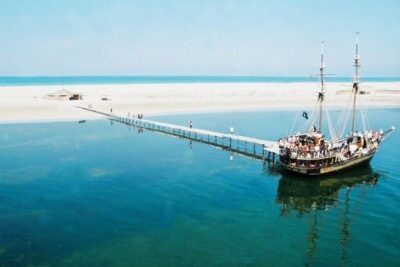 ★ 3.5Djerba Flamingo Island Pirate Boatrip – Trip, Lunch & Pick-upFrom $3084 reviews
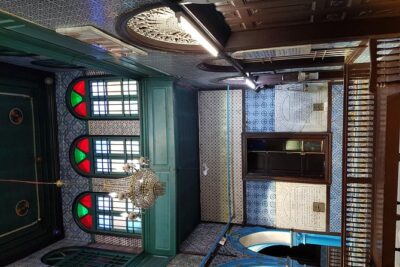 ★ 4.0Guided Tour of Djerba island, Museums, Crocodile park & lunchFrom $6852 reviews
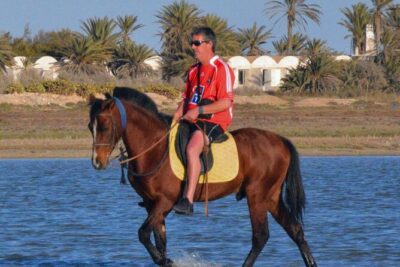 ★ 4.5Explore Djerba by camel and horseFrom $4227 reviews
 ★ 5.0Half Day Trip to Djerba IslandFrom $4627 reviews
 ★ 4.5Private 3h00 quad ride on the island of DjerbaFrom $4618 reviews
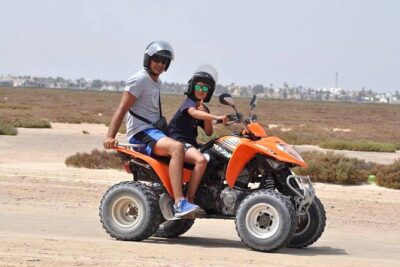 ★ 4.5Djerba Island: 1.5-Hour Quad Biking AdventureFrom $2017 reviews
 ★ 5.0From Djerba: Explore the desert in a dayFrom $768 reviews
 ★ 5.0Horseback riding or camel at sunset in DjerbaFrom $296 reviews
Also listed under