
REVIEW · DJERBA ISLAND ESCAPES
Tour of the island of Djerba the island of Lotophages
Djerba can feel like a storybook garden. On this private half-day, you bounce from Roman road photo moments and pottery in Guellala to Djerba’s art walls and the sacred calm of the Ghriba area. I especially like how the stops mix everyday life with big cultural sites, and how the pace stays friendly instead of dragging you from one checkbox to the next.
One drawback to keep in mind: if your pickup details are fuzzy, timing can get messy, so I strongly recommend confirming your exact hotel name and location before departure.
In This Review
- Key Highlights You Should Expect
- A Half-Day on Djerba That Adds Meaning, Not Just Photos
- Why the 8:00 am Start Time Feels Smart (Even If You’re Not a Morning Person)
- Guellala Pottery, Roman Road Stops, and the Djerbienne Arts Museum
- Ghriba Synagogue: The Oldest Synagogue in Africa
- Djerbahood Street Art in Erriadh: World Artists on a Real Island Village
- Houmt Souk Stroll: Market Streets, White Facades, and the Beach Reality
- Park Djerba Explore: The Pools with 400 Nile Crocodiles
- Lunch with Sea Views: Fish and Seafood, Not Just a Time Filler
- Price and Value: Is $175.71 Worth a 5-Hour Day?
- Booking Tips That Save Time and Headaches
- Who Should Book This Djerba Tour, and Who Should Skip It
- FAQ
- FAQ
- How long is the Djerba and Lotophages tour?
- What time does the tour start?
- Is pickup included?
- Is lunch included?
- Is alcohol included with lunch?
- Do I need to pay for the crocodile park?
- What is included for tickets and entry?
- Can I cancel, and what if the weather is bad?
Key Highlights You Should Expect
- Guellala pottery workshop with a real local craft feel, plus free time at the Djerbienne arts museum
- Ghriba Synagogue visit to see the oldest synagogue in Africa, with no entry fee listed
- Djerbahood street art in Erriadh, created by international artists and connected to a real village setting
- Houmt Souk stroll through white facades and color-filled market streets, with a practical reminder about beach distance
- Park Djerba Explore crocodiles for an up-close look at Nile crocodiles, with admission not included
Island time on Djerba. Here is the rest of what runs from the coast
- From Djerba : 2 Days desert tour with a night under a tent★ 5.0 · 53 reviews
- Night excursion to the desert and Berber village from Djerba★ 5.0 · 4 reviews
- From Djerba : 1 day in the footsteps of Star Wars “Mos Eisley”★ 5.0 · 3 reviews
- PRIVATE 2 day SAFARI (Ksar Ghilane and Atlas Mountains) from Jerba★ 4.5 · 3 reviews
A Half-Day on Djerba That Adds Meaning, Not Just Photos
This tour works because it treats Djerba like a place with layers. You are not only watching monuments go by. You are also seeing craft, street art, market life, and a major religious site, all stitched into one smooth morning. That is a big win on an island where the heat and distances can add up.
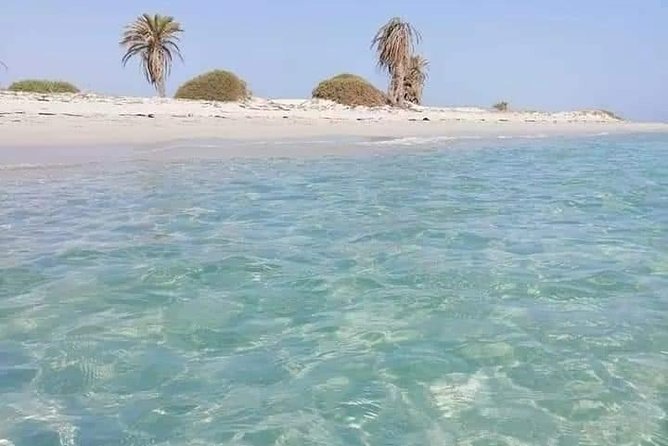
Djerba’s reputation as a green, palm-heavy garden is not marketing fluff. The route pulls you through areas that feel agricultural and lived-in, then pivots to culture and community spaces. Homer and Ulysses get mentioned in the island lore, and the itinerary somehow fits that mythic vibe by mixing the old with the very modern.
The tone is also practical. The visits are short enough to stay energetic, but each stop gives you enough time to look around and actually understand what you’re seeing.
Why the 8:00 am Start Time Feels Smart (Even If You’re Not a Morning Person)
The tour begins at 8:00 am, and that matters more than you might think. Morning in southern Tunisia tends to be easier on your feet and your patience, especially when the schedule includes multiple village-style stops and a longer final attraction.
Because this is private, you are not stuck with strangers who want to move at different speeds. Your group stays together, and you spend less time waiting and more time looking. If you like guided explanations, you’ll probably appreciate that the pace still leaves room to notice details instead of racing through everything.
One more thing I like: the tour offers pickup and uses a mobile ticket, so you’re not stuck with complicated paperwork. You still want to have your hotel name and location correct, because pickup timing can depend on how easy it is for the driver to find you.
Guellala Pottery, Roman Road Stops, and the Djerbienne Arts Museum
Your morning opens around Guellala, a name tied to pottery and craft. Before you even reach the village, there’s a photo stop on the Roman road. It’s brief, but it’s a nice way to get oriented and start thinking about how old trade routes shaped what Djerba is today.
Then you head into Guellala for a visit of an old pottery workshop. This is the kind of stop that can be as simple or as interesting as you make it. Even if you’re not buying anything, it helps you see the handwork behind the ceramics and the local rhythm of making. If you like observing processes, this part is a strong match.
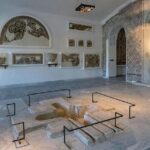
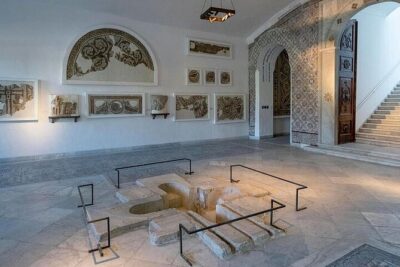
After that, you visit the museum of arts and life Djerbienne. Entry is listed as free, and the length of time given is enough to read, wander, and connect the craft you just saw with broader everyday traditions. It’s one of those stops that turns a souvenir purchase into something with context.
Practical note: pottery areas can involve lots of small surfaces and steps. Wear comfortable shoes. If it’s sunny, bring sunglasses and some sun protection.

Ghriba Synagogue: The Oldest Synagogue in Africa
The next stop is El Ghriba Synagogue, described as the oldest synagogue of Africa. You get about an hour here, which is a good chunk of time for looking, absorbing the setting, and letting the significance land.
This is one of those visits where the value comes from respecting the space. You’ll want to dress thoughtfully and keep your attention on the site itself. Even when you only have an hour, that time can be meaningful if you slow down and watch how people move and behave.
The tour format helps here. You’re not dropped off and left to figure everything out alone. With guided context, you’re more likely to understand what you’re seeing and why it matters, rather than just ticking off a landmark.
Also: the itinerary lists admission as free. That’s great value, because it reduces the number of extra costs you might feel pressured to pay later.
Djerbahood Street Art in Erriadh: World Artists on a Real Island Village

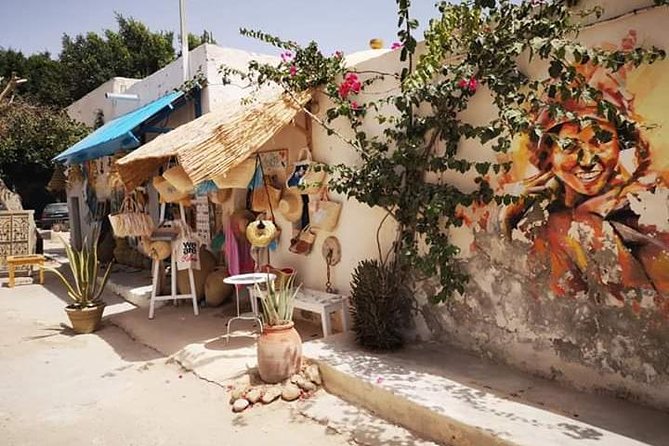
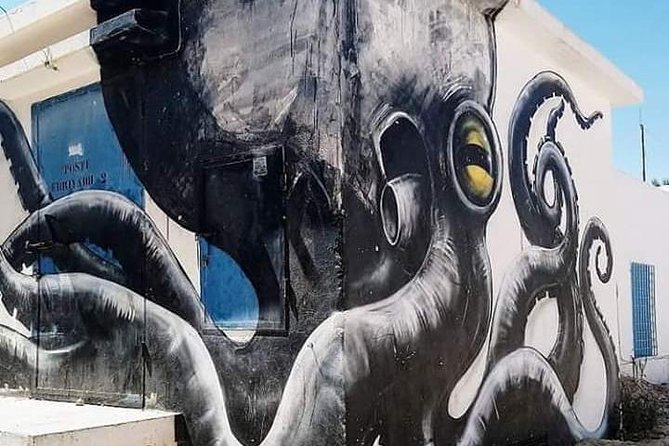
Now for the fun, visual part. You head to Djerbahood, an open-air street art experience located in the village of Erriadh. It’s not a theme park. It’s art placed into real village space, with walls and streets that feel like they belong to people, not just visitors.
You get about an hour. That’s the right timing because you can walk, stop, and take in the variety without tiring yourself out. The art here is tied to a specific moment in time, too. Erriadh hosted works by a hundred artists from more than thirty nationalities during the summer of 2014. That detail matters because it tells you this isn’t random graffiti. It’s a coordinated project that brings outside styles into a local setting.
If you like street art but also care about place, this stop hits a balance. You get international energy, but the village context keeps it grounded. If you’re traveling with anyone who thinks art is only for museums, this can convert them fast.
Tip: take a slow walk through the area, then circle back for photos. First pass helps you understand the layout. Second pass gives you the shots.
Houmt Souk Stroll: Market Streets, White Facades, and the Beach Reality
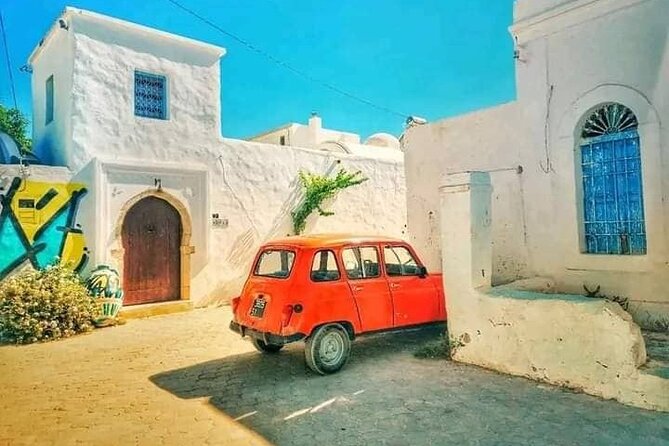
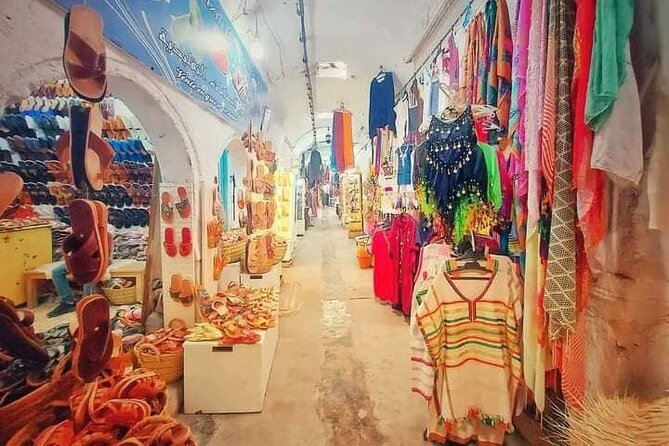
After the art, you shift to city life in miniature at Houmt Souk, the administrative center on the north side of Djerba. It’s close to the places people actually run their daily lives, and the streets are lined with white facades, plants, and stalls with colorful products.
The souk area is described as particularly lively. That’s a nice way to spend a bit of time without feeling like you’re trapped in long shopping zones. You get around an hour to stroll, look at what people buy, and pick up small items if you want.
One practical warning is included in the tour information: the beach is about 10 km away. That means you should not plan on combining this stop with a quick swim unless you add extra time for buses or a taxi. Houmt Souk is for streets and market energy, not for a nearby beach detour.
If you want one souvenir you’ll actually use, look for locally made items that connect to what you saw earlier in Guellala. It’s a simple way to make the day feel connected.
Park Djerba Explore: The Pools with 400 Nile Crocodiles
The final major stop is Park Djerba Explore, in the Midoun tourist zone, near the Taguermess lighthouse. The location is described as quick to reach from main hotels, and it’s also listed as about twenty kilometers from the airport and Houmt Souk.
This is where the tour turns from culture into a big animal attraction. The highlight here is the pools where you can see 400 Nile crocodiles brought from Madagascar. The information also notes that crocodiles can grow very large, with some males reaching up to around 7 meters and nearly a ton in weight.
You get about two hours, and it’s clear this is a must-do if you like animals and want something different from typical city sights. Admission is not included, so budget for it separately. Still, because the attraction is a full two-hour stop, it’s not a quick “look and leave” add-on.
If you’re sensitive to animal displays, take a calm approach and keep your expectations realistic. A visit like this is about seeing the animals in their enclosure and learning the setup, not about a cute photo session.
Lunch with Sea Views: Fish and Seafood, Not Just a Time Filler
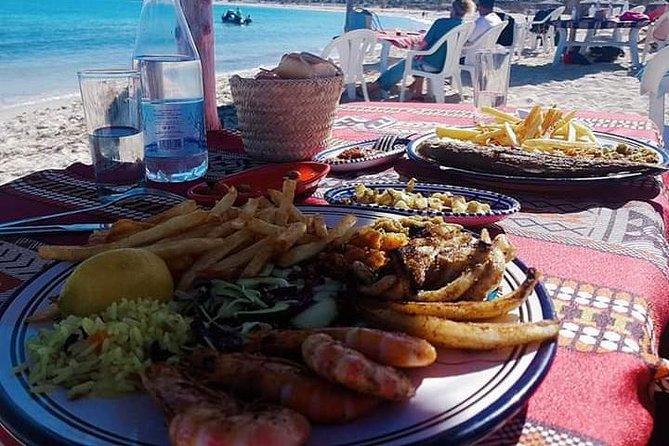
One of the best parts of this tour experience is the included lunch. The day ends at a local restaurant with a wonderful view at the foot of the sea. The food focus is fish and seafood, and the staff is described as friendly and warm.
I like tours that treat lunch as more than a napkin-stuffing stop. A good local restaurant changes how you remember the day. It also gives you a natural break after the morning walking and sightseeing, especially in warm weather.
Alcoholic beverages are not included, so if you want a drink with your meal, plan to pay that separately.
If you eat seafood happily, this lunch is a strong reason to choose this tour over a cheaper option that skips food.
Price and Value: Is $175.71 Worth a 5-Hour Day?
At $175.71 per person for about five hours, the price can look high at first glance. But here’s what you’re actually getting value from.
You’re paying for:
- Transport with pickup included
- A focused route that covers multiple major stops
- Lunch at a local fish and seafood restaurant
- Time at several places where entry is listed as free, including the synagogue area and the street art village
Then there’s the separate cost at the crocodile park, since admission is not included. So the final total depends on whether you add that paid attraction at the end.
For me, this price feels most fair when you count the included lunch and the fact that you’re not paying separate guide-style time for each stop. If you planned to do this route on your own, you’d spend time figuring out logistics, translation help, and transport, and you’d still want guided context at the religious and cultural sites.
Balanced take: if you don’t care about either the street art or the crocodile park, the price might feel less attractive. If you do want both, it becomes a more efficient day.
Booking Tips That Save Time and Headaches
This tour is private and starts early, so details matter. The most important practical step is to make sure the pickup info is accurate, including your hotel name. If the pickup location is unclear, the schedule can shift, and waiting around ruins the morning.
Also: the experience requires good weather. If it gets canceled due to poor weather, you’re offered a different date or a full refund. That’s normal for outdoor components and open-air areas.
If you like clear communication, keep your confirmation handy. You’ll receive it at booking time, and you can use the mobile ticket for entry.
Who Should Book This Djerba Tour, and Who Should Skip It
I’d recommend this tour if you want a compact day that covers both culture and playful variety. It’s especially good for:
- First-time visitors who want the highlights without overthinking transportation
- People who like art that happens in real places, not just in galleries
- Anyone who wants a meaningful visit that includes the Ghriba Synagogue plus daily island life stops
- Families and small groups who want a private pace and an included lunch
I’d think twice if you:
- Hate animal attractions and don’t want to add the crocodile park cost
- Prefer long museum-style visits, because several stops are about an hour each
- Get very stressed by changes, since pickup details can affect timing
FAQ
FAQ
How long is the Djerba and Lotophages tour?
The tour is approximately 5 hours.
What time does the tour start?
The start time is 8:00 am.
Is pickup included?
Yes, pickup is offered.
Is lunch included?
Yes, lunch is included. It is described as a very good local restaurant with a view at the foot of the sea and a fish and seafood menu.
Is alcohol included with lunch?
No, alcoholic beverages are not included.
Do I need to pay for the crocodile park?
Admission to Park Djerba Explore is not included. The pools with 400 Nile crocodiles are listed as the unmissable attraction there.
What is included for tickets and entry?
You’ll receive a mobile ticket. Several stops are listed with free admission tickets, including the museum of arts and life Djerbienne, the El Ghriba Synagogue, and Djerbahood. The crocodile park admission is not included.
Can I cancel, and what if the weather is bad?
You can cancel for free up to 24 hours in advance for a full refund. If it’s canceled due to poor weather, you will be offered a different date or a full refund.
If you want, tell me your travel month and where you’re staying on Djerba (Midoun, Houmt Souk area, etc.). I can help you decide whether this morning route will feel easy on your schedule.
A Wider Sweep of Tunisia
Everything Else We Have Reviewed in Tunisia
Djerba, Beyond the Beach
Newest off the review desk in Tunisia
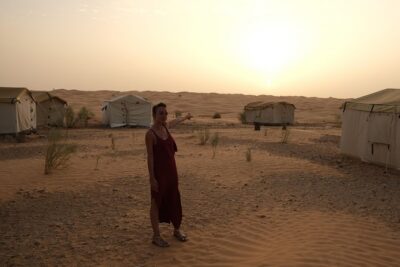
Djerba Island Escapes, side by side.
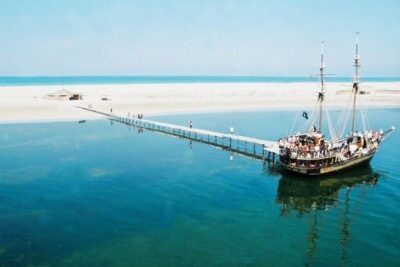 ★ 3.5Djerba Flamingo Island Pirate Boatrip – Trip, Lunch & Pick-upFrom $3084 reviews
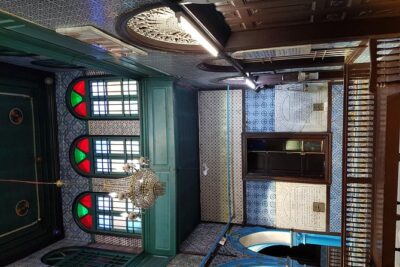 ★ 4.0Guided Tour of Djerba island, Museums, Crocodile park & lunchFrom $6852 reviews
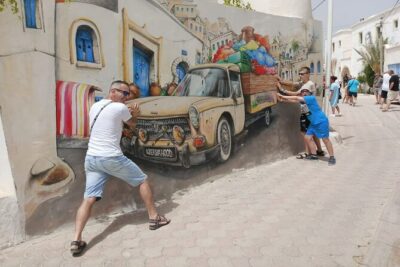 ★ 5.0Half Day Trip to Djerba IslandFrom $4627 reviews
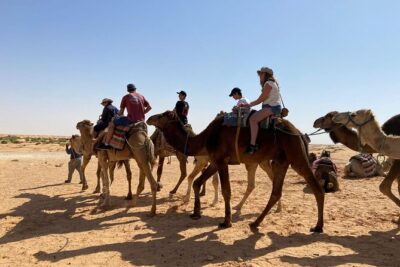
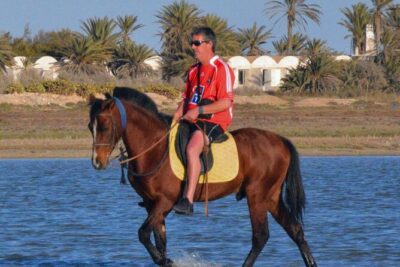 ★ 4.5Explore Djerba by camel and horseFrom $4227 reviews
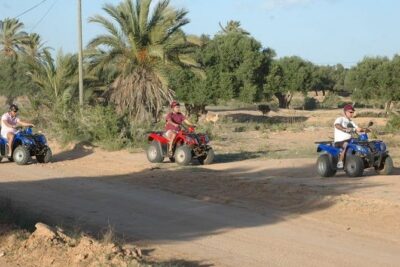
 ★ 4.5Private 3h00 quad ride on the island of DjerbaFrom $4618 reviews
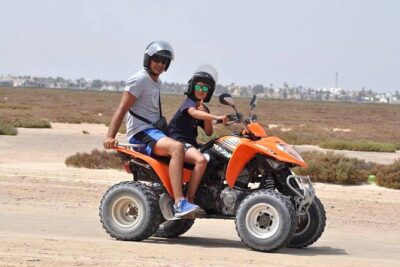 ★ 4.5Djerba Island: 1.5-Hour Quad Biking AdventureFrom $2017 reviews
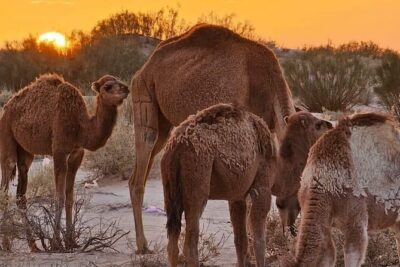 ★ 5.0From Djerba: Explore the desert in a dayFrom $768 reviews
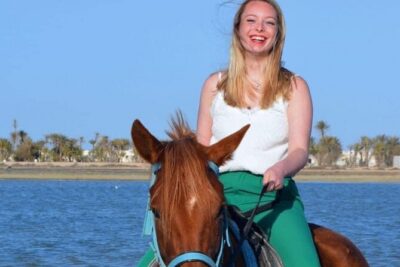 ★ 5.0Horseback riding or camel at sunset in DjerbaFrom $296 reviews
Also listed under