
REVIEW · EL JEM AMPHITHEATRE DAY TRIPS
Kairouan, El Djem and Monastir Guided Excursion from Hammamet
Kairouan to El Djem to Monastir, in one day. This guided excursion is interesting because it gives you three very different Tunisia moods back-to-back: an Arab-Muslim holy city, a Roman coliseum that still takes your breath away, then a coastal finale in Monastir. You ride in an air-conditioned vehicle with pickup offered, and you get a professional guide to keep the day understandable and on schedule.
Two things I love are the professional guide explanations and the punctual pick-up that respects your time. On at least some departures, the guide team (including Mtir) has been praised for clear, discussion-friendly commentary, and the driving team (including Taib) for smooth timing.
The main drawback to plan around is cost outside the base price. The El Djem amphitheater and the archaeological museum have entrance fees not included, and lunch is also not included, so you’ll want to budget for those parts.
In This Review
- Key Highlights You’ll Actually Feel on This Trip
- A 10-hour circuit through Tunisia’s holy, Roman, and coastal worlds
- Bassins Aghlabites and Sidi Sahbi, two stops that set the tone fast
- Walking the Medina of Kairouan in one focused hour
- Entering the El Djem amphitheater, what you’re really looking at
- The El Djem Archaeological Museum, mosaics and small details that stick
- Monastir Marina and Bourguiba, a different Tunisia at sea level
- Price and logistics, when this feels like good value
- What to pack for a hot-and-holy day in Tunisia
- Who should book this Hammamet day trip, and who should reconsider
- Should you book Kairouan, El Djem and Monastir from Hammamet?
- FAQ
- How long is the excursion from Hammamet?
- Is pickup offered from Hammamet hotels?
- Is this tour private, and how many people are included?
- What’s included in the price?
- Are lunch and snacks included?
- Are entrance fees included for the amphitheater and museum?
- Are the Kairouan sites included with free admission?
- How do I get tickets or confirmation?
- What is the cancellation window?
Key Highlights You’ll Actually Feel on This Trip
- A tri-part route that makes sense: Kairouan’s sacred center, El Djem’s Roman spectacle, and Monastir’s modern coastal vibe in one loop.
- Free monuments early in the day: Bassins Aghlabites and the main Kairouan sights start with admission ticket free stops.
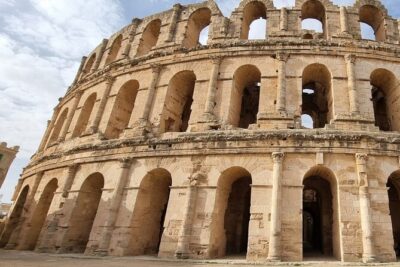
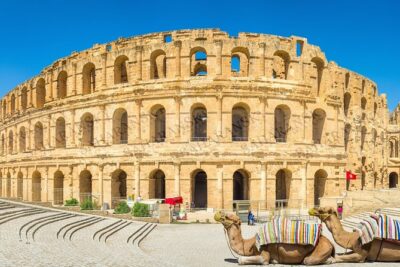
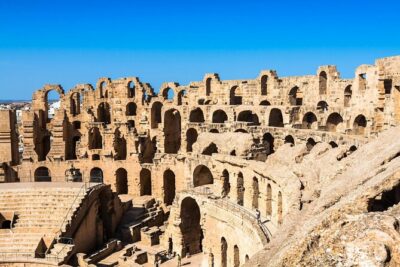
- El Djem’s amphitheater scale: a third-century Roman arena that could hold 30,000 spectators and ranks among the biggest in the Roman world.
- Mosaics in a reconstructed Roman setting: the El Djem archaeological museum is housed in a Roman villa-style space.
- A less stressful style of touring: private transportation, a small group, and personalized timing beats the chaos of big buses.
- A coastal finish with breathing room: time in Monastir includes the marina area and the chance to explore at your own pace.
That amphitheatre is hard to follow, but here is what else runs to El Jem
- Kairouan & El Djem Guided Day Trip with Lunch from Hammamet★ 4.0 · 18 reviews
- Kairouan, El Djem, Monastir Self-Guided Excursion from Hammamet★ 4.5 · 5 reviews
- Kairouan, El Djem and Monastir Guided Excursion from Hammamet★ 5.0 · 5 reviews
A 10-hour circuit through Tunisia’s holy, Roman, and coastal worlds
If you like your Tunisia day trips to feel like a story, this one works. You start in Kairouan, a spiritual and cultural anchor, then you hit El Djem, where Roman engineering and showmanship are the headline. You end in Monastir, where the pace slows near the water and history shifts from prayer halls to presidents and seaside paths.
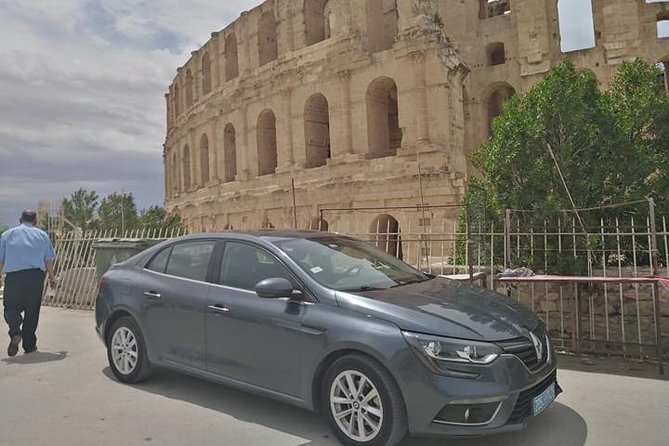
This is also a good format if you do not want to wrestle with logistics. The tour includes air-conditioned transport, private transportation, bottled water, and a professional guide. You’re not just dropped at sites and forgotten, which is a big quality-of-life upgrade in a place where schedules and language can be a challenge.
The itinerary is tightly structured, but the times are long enough to do real looking. Think 30 minutes at the Bassins Aghlabites, about an hour for Sidi Sahbi and the Medina area, then a solid two hours at the amphitheater and one hour at the museum. The final hour in Monastir includes guided context plus free time for you to wander.
Bassins Aghlabites and Sidi Sahbi, two stops that set the tone fast
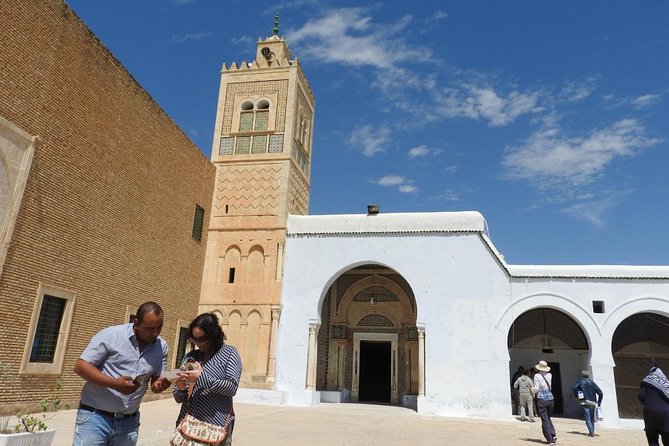
Kairouan begins with water and faith, and the route wastes no time. First come the Bassins Aghlabites, outside the medina ramparts. These hydraulic works date to the second half of the ninth century, and they’re considered among the most important water-engineering achievements in the Muslim world.
I like this opening because it’s not the usual “just temples, just walls” start. Water control shaped what cities could grow, where people could wash and farm, and how a sacred city functioned day to day. Even if you only catch the big idea quickly, the guide’s framing helps you see these basins as infrastructure with a purpose, not just stone.
Right after that, you go to Mosque Sidi Sahbi, also known as the Barber Mosque. This stop is outside the medina walls and focuses on the mausoleum of Sidi Sahbi. You get about an hour here, which is enough time to pause, look carefully, and let the guide connect the dots.
Practical tip: dress for mosque etiquette. Even on a guided day, you’ll be happier if you bring something modest and comfortable. Light layers help too, because North Africa days can go from bright to uncomfortably warm quickly.
Walking the Medina of Kairouan in one focused hour
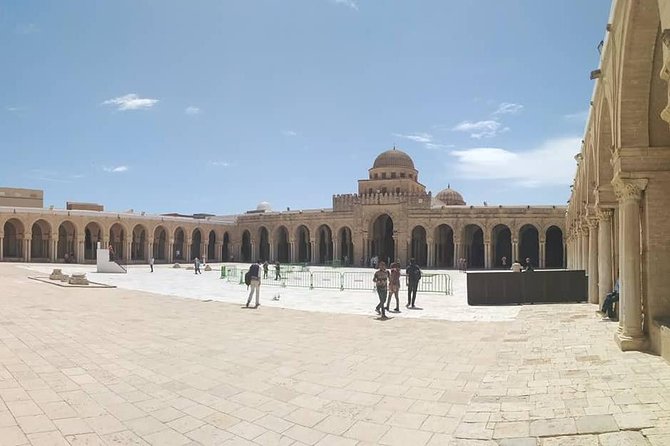
Then you move into the Medina of Kairouan, the UNESCO-listed old city center. This area is known for narrow streets and markets, so the guide’s job is not just “talking.” They help you understand what you’re passing, why certain spaces matter, and how the city’s sacred layout connects to daily life.
You’ll also spend time at the mosque with three gates as part of this Medina segment. Kairouan’s UNESCO status is tied to multiple evaluation criteria, and this is one of those places where the official recognition feels real when you’re standing there.
A drawback to know in advance: one hour inside a living medina is not a deep study. It’s a “get oriented and see the main rhythm” visit. If you crave hours and hours of wandering on your own, you may want to add extra time later. If you want the day trip version, this is a good, structured dose.
Comfort tip: narrow lanes mean uneven footing. Wear shoes you trust, and keep your phone handy for photos, but be ready for quick turns where a guide keeps you moving.


Entering the El Djem amphitheater, what you’re really looking at
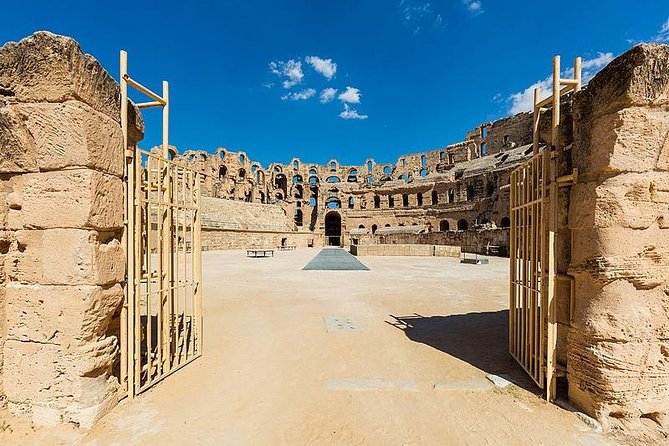
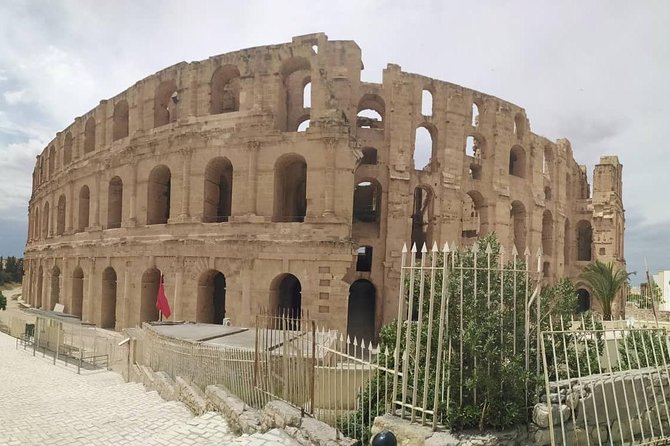
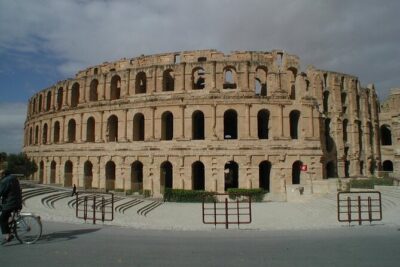
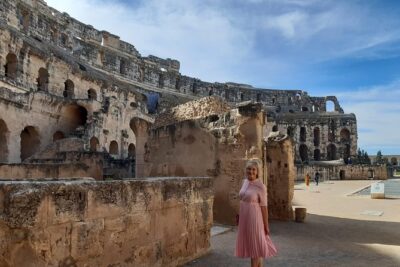
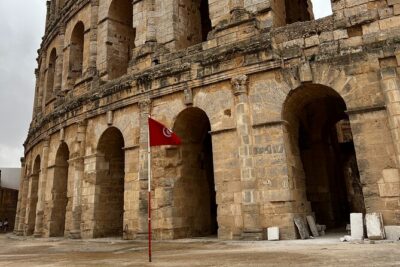
El Djem is where the day hits maximum wow. You arrive and spend about two hours at the Roman amphitheater, one of the most impressive Roman monuments in Africa. It was founded in the third century AD and was classified as World Heritage in 1972. And yes, it could once accommodate around 30,000 spectators.
I like to think of the amphitheater in two layers. First, it’s the spectacle, the scale, the seating geometry, the sense of Roman confidence. Second, it’s the survival story. Even when you’re only seeing part of the structure, the amphitheater still teaches you how public entertainment shaped Roman city life.
A guide helps here because you’ll understand what you’re seeing. Without explanation, you might just think “big arena.” With the guide, the building becomes legible: where people sat, how the sightlines worked, and why the structure matters historically.
Entrance fees for the amphitheater are not included, so plan to pay that ticket separately. Since it’s a major site, you’ll also want to protect yourself from sun and heat. If you go at a sunny time of day, bring a hat, sunglasses, and drink water whenever you can, even if you think you’re fine.
The El Djem Archaeological Museum, mosaics and small details that stick
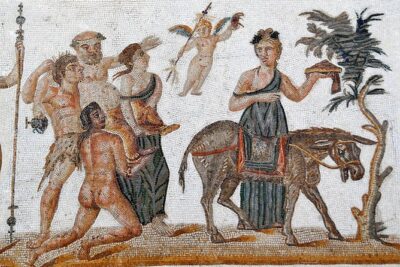
After the amphitheater, you shift from giant architecture to close-up objects at the Archaeological Museum of El-Djem. This stop lasts about one hour and is set in a reconstructed Roman villa. That setting matters because mosaics and artifacts read differently when they feel “at home” in their original-world vibe.
The museum’s collection includes important Roman mosaics, with pieces covering a period described as ranging from the 11th century to the 5th century. You’ll also see statues, terracotta statuettes, perfume vials, and various glassworks. That mix is one of the reasons I like this stop, it makes the Roman story feel human.
Here’s the practical side: museum entrance fees are also not included. If you’re trying to keep the day within a tight budget, that’s the part to account for early.
Also, museum time is time. One hour means you’ll see highlights, not everything. If you love mosaics, focus your attention and ask the guide to point out what to look for in patterns and materials. Quick guidance can turn a “nice room” into a “I remember that” moment.
Monastir Marina and Bourguiba, a different Tunisia at sea level
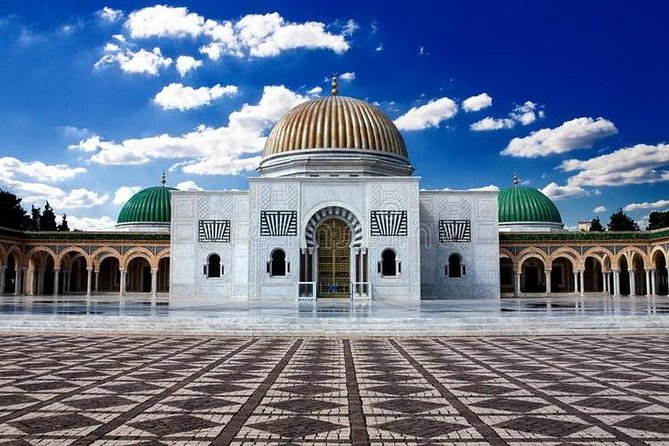
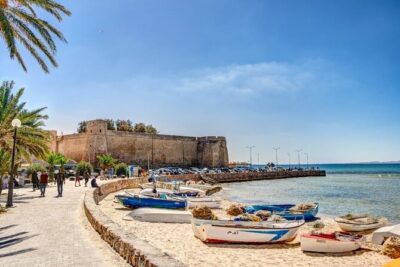
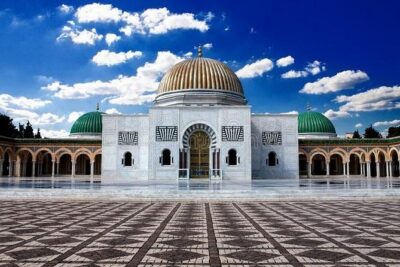
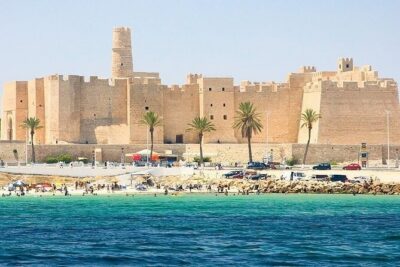
Finally, you reach Monastir, and the mood changes. The tour includes a pass by the birthplace of Habib Bourguiba, first president of the Tunisian Republic, then you visit the mausoleum of Bourguiba. After that, you get about one hour of time in the Monastir area with free time to explore the ribat and the marina.
This ending is smart because it breaks the day’s intensity. After Roman stones and sacred courtyards, sea air and open space feel like a reset button. Even if you only stroll a short distance, you get a taste of modern Monastir, not just a stopover.
One consideration: you might feel a little “day-tripped out” by the time you get here, since the schedule is packed. Keep your expectations realistic. This final hour is for fresh air and flexible wandering, not for turning Monastir into a full multi-day exploration.
Still, the combination works well if you want variety without switching hotels or planning separate day tours.
Price and logistics, when this feels like good value
The price is $292.47 per group, up to 2 people. That framing matters. For one person traveling alone, a private tour can feel pricey compared with shared-group options. For two travelers, the cost becomes easier to justify because you’re essentially paying for a dedicated vehicle, pickup, and a professional guide rather than sharing those costs with strangers.
What you do get in the base price is helpful: bottled water, air-conditioned vehicle, private transportation, and all fees and taxes are included. You’re also given a mobile ticket, which reduces the friction of meeting the group. In plain terms, you show up, get picked up, and the day runs with fewer headaches.
What you do not get is also clear. Lunch is not included, and you’ll pay entrance fees for the amphitheater and the museum. Personal expenses are on you, like souvenirs, snacks, and anything you add.
I also like the “private tour” style for comfort and pacing. You’re not getting dragged around by a big group, and the schedule is more likely to fit you if your guide is attentive. In the experiences shared, people valued individualized timing and the way the team kept to the established hours.
What to pack for a hot-and-holy day in Tunisia
This is the kind of day where preparation shows. You’ll be outside for parts of Kairouan and El Djem, and you’ll also deal with mosque etiquette.
Bring:
- Comfortable walking shoes for uneven, sometimes dusty surfaces
- A hat and sunglasses for strong daylight
- A light layer for mosque interiors if you’re sensitive to air-conditioning or shade transitions
- A small amount of cash or a card setup for entrance tickets not included
- Sunscreen and water habits, even though bottled water is provided
For clothing, choose something that helps you feel respectful in mosques. You do not need to dress like a hermit, just cover appropriately and keep it simple. If you’re traveling with family, this is one of those days where modest clothing makes everything smoother.
Who should book this Hammamet day trip, and who should reconsider
This tour fits best if you want a structured day with a guide who explains what you’re seeing, and you prefer private transportation over public-bus adventures. It’s a strong match for couples, friends, and small families who can handle a long day and want variety without switching plans.
It may not be your best choice if you want a slow, open-ended “wander as long as you want” vacation. Here, times are set: about an hour in the Medina, two hours at the amphitheater, and one hour at the museum and Monastir. That’s perfect for a day trip, but not for people who hate time limits.
Also, if you’re extremely budget-sensitive, remember the major paid stops in El Djem and the fact that lunch is not included. The free early Kairouan pieces help, but the Roman and museum parts add cost.
Should you book Kairouan, El Djem and Monastir from Hammamet?
If your goal is one excellent day that shows Tunisia’s multiple personalities, I’d say book it. The value comes from the combination of included guide service, private transportation, and the way the day is balanced between free Kairouan highlights and major ticketed stops in El Djem. Ending in Monastir with free time also prevents the day from feeling like one long museum marathon.
Book it especially if you like explanation. People have praised the guide’s precise information and the team’s professionalism, including punctual pick-ups and no-nonsense handling of the schedule. The language note matters too: some departures have included guides comfortable speaking Spanish, and many visitors appreciate clear, patient commentary in major European languages.
Skip or modify if you’d rather spend more time in fewer places. This itinerary is designed for coverage. It’s not designed for deep solo wandering at every stop.
FAQ
How long is the excursion from Hammamet?
It runs for about 10 hours.
Is pickup offered from Hammamet hotels?
Yes, pickup is offered.
Is this tour private, and how many people are included?
This is a private tour. Only your group participates, and the price is per group for up to 2 people.
What’s included in the price?
Bottled water, an air-conditioned vehicle, private transportation, all fees and taxes, and a professional guide.
Are lunch and snacks included?
No. Lunch is not included, and personal expenses are not included.
Are entrance fees included for the amphitheater and museum?
No. Entrance fees to museums or exhibitions are not included, including the amphitheater and the El Djem archaeological museum.
Are the Kairouan sites included with free admission?
Yes. The Bassins Aghlabites, Mosque Sidi Sahbi, and the Medina of Kairouan are listed as admission ticket free.
How do I get tickets or confirmation?
Confirmation is received at the time of booking, and the tour uses a mobile ticket.
What is the cancellation window?
You can cancel for a full refund up to 24 hours in advance of the experience start time.
Down the Sahel Coast
Still in Kairouan? Keep Going
El Jem, Three More Ways
Newest off the review desk in Tunisia
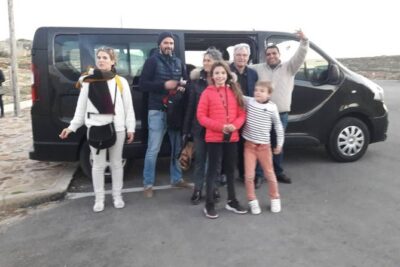
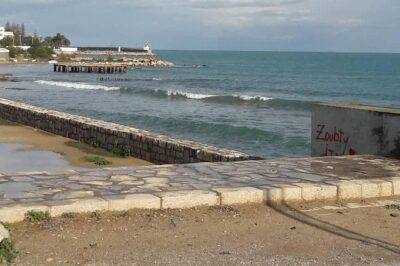
El Jem Amphitheatre Day Trips, side by side.
 ★ 5.0Private Tour to Kairouan, El Jem & Monastir from Tunis / HammametFrom $98301 reviews
 ★ 4.5Daytrip to Kairouan and El Jem ColosseumFrom $15155 reviews
 ★ 5.0Private Half Day Tour Roman Coliseum EL JEMFrom $8051 reviews
 ★ 5.0Half-day excursion from Sousse to the amphitheater of El JemFrom $7547 reviews
 ★ 4.5Kairouan and El Jem Private Day TourFrom $8538 reviews
 ★ 4.5Private and Guided Tour to Kairouan and El Jem and MonastirFrom $9822 reviews
 ★ 4.0Kairouan & El Djem Guided Day Trip with Lunch from HammametFrom $8918 reviews
 ★ 5.0Private Half Day Tour to Roman Coliseum EL JEM from MonastirFrom $8016 reviews