
REVIEW · EL JEM AMPHITHEATRE DAY TRIPS
Private and Guided Tour to Kairouan and El Jem and Monastir
That first mosque courtyard hits hard. This private, full-day route strings together Tunisia’s spiritual heavyweight in Kairouan and the jaw-dropping scale of El Jem, with guided stops that explain what you are looking at. I also like that the tour is set up to keep you moving, with specific time blocks and included entrance fees rather than vague promises.
My favorite part is the contrast: you go from the Great Mosque’s cedar doors and marble columns to a Roman amphitheatre that once packed 30,000 people. The second big win for me is the guided pacing, it is structured enough to make the day feel complete, but it still leaves room to wander in the medina and look at key features without rushing through everything.
One thing to consider is that it is a long day. Even though the stops are well chosen, some visitors want more time in El Jem or more breathing room in Monastir, and the distances can make the day feel tiring if you are expecting a slower pace.
In This Review
- Key highlights at a glance
- Kairouan in One Day: The best use of a Hammamet hotel base
- Entering the Great Mosque: Courtyard arcades, cedar doors, and old-school design
- The Kairouan medina walk: Souks, carpets, and Les Mekroudhs
- Aghlabid basins: The 9th-century plumbing story you will remember
- El Jem amphitheatre: A Roman Colosseum with real scale
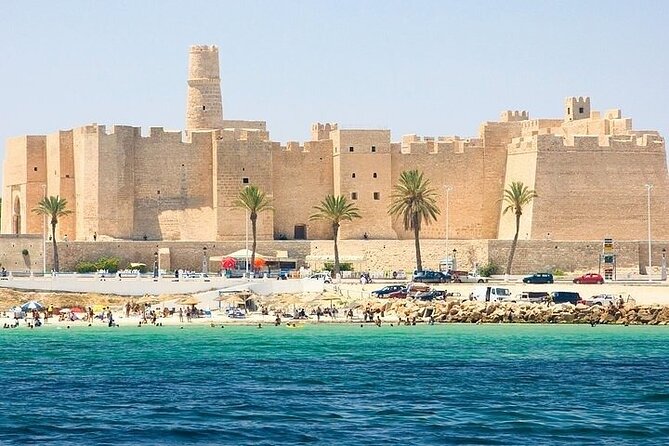
- Monastir’s Ribat: Spiral steps, watchtower views, and defense by prayer
- Timing and transport: Why the day can feel long (and how to handle it)
- Price value: What $98.72 buys you, and what to double-check
- Who this tour suits best
- Should you book this Kairouan, El Jem, and Monastir tour?
- FAQ
- What time does the tour start?
- Is pickup from Hammamet included?
- How long is the day trip?
- What entrance fees are included?
- Is lunch included?
- Can I get a refund if I cancel?
Key highlights at a glance
- Great Mosque of Kairouan: a 670-built landmark with courtyard arcades, a famous minaret, and ornate cedar doors
- Medina time with your guide: you get a focused walking window to browse souks and snack on Kairouan pastries like Les Mekroudhs
- Aghlabid basins: 9th-century hydraulic engineering outside the medina ramparts
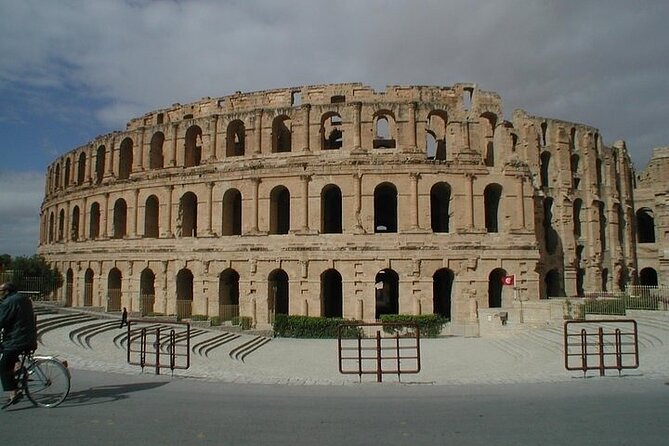
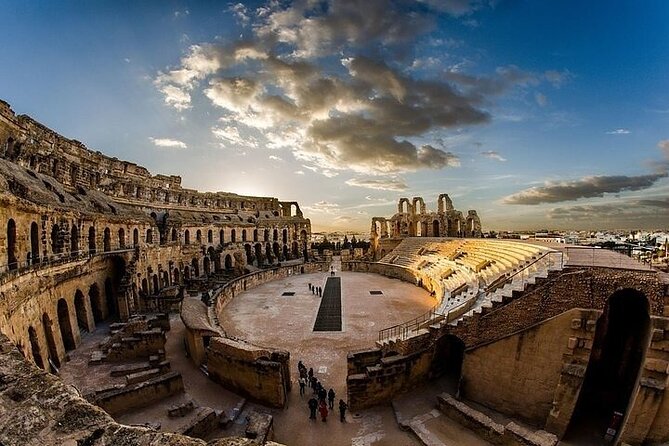
- El Jem amphitheatre: Roman spectacle, built in the 3rd century AD, with room for 30,000 spectators
- Monastir Ribat viewpoint: defensive early-Islam site from 796 with spiral steps up to the watchtower
That amphitheatre is hard to follow, but here is what else runs to El Jem
- Kairouan & El Djem Guided Day Trip with Lunch from Hammamet★ 4.0 · 18 reviews
- Kairouan, El Djem, Monastir Self-Guided Excursion from Hammamet★ 4.5 · 5 reviews
- Kairouan, El Djem and Monastir Guided Excursion from Hammamet★ 5.0 · 5 reviews
Kairouan in One Day: The best use of a Hammamet hotel base
Most people doing Tunisia from a beach town want two things: efficient logistics and real culture. This tour hits both. You start early from Hammamet, you ride in an air-conditioned vehicle, and you cover Kairouan, El Jem, and Monastir in roughly eight hours.
Because it is private, you are not stuck in a big group shuffle. Your guide can set expectations as you go, which matters for a day that is essentially a three-stop story with long driving segments. I like that the itinerary includes specific admission stops, so the day does not turn into a surprise expense ladder.
The value here is not only the sites, it is the context. The Great Mosque is easier to appreciate once someone points out what makes it distinctive, like the adobe-fortress look the architecture is known for, and the role Kairouan plays as a major spiritual center in Islam.
Entering the Great Mosque: Courtyard arcades, cedar doors, and old-school design
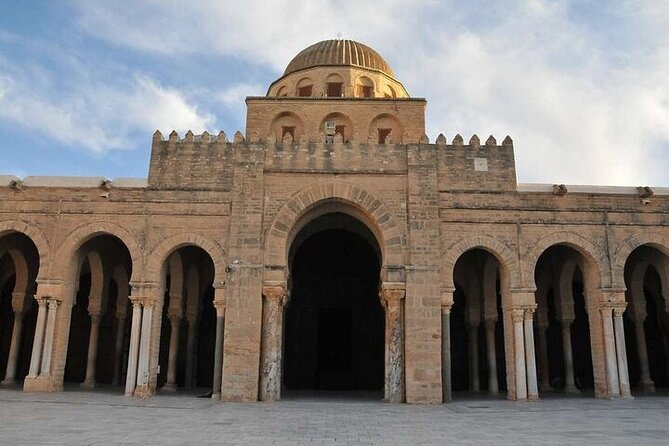
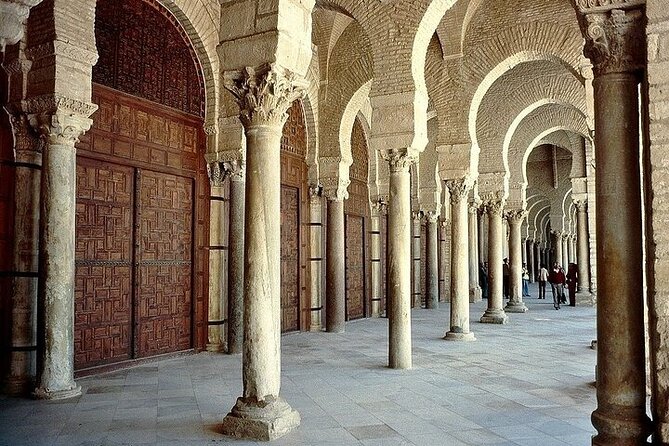
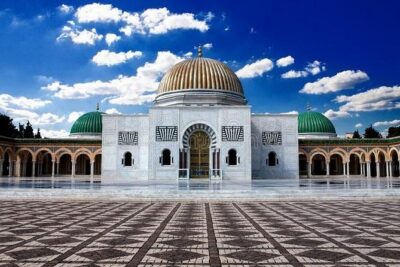
The Great Mosque of Kairouan is the kind of place where you feel the age immediately. You have about 45 minutes here, and that is enough time to take in the big visual components without feeling trapped in a checklist.
What makes the mosque special is the mix of scale and detail. The imposing minaret, the massive courtyard, and the arcades around it create that fortified, fortress-like presence you hear about with Kairouan’s early architecture. Then you notice the carved cedar wood doors, which open onto prayer spaces with dozens of marble columns.
One practical tip: dress and behavior matter. You are stepping into an active religious space, so plan modest clothing and a calm pace. If you arrive right at the start of your slot, you also get fewer crowds jostling your photos and fewer distractions while your guide explains the layout.
The Kairouan medina walk: Souks, carpets, and Les Mekroudhs
After the mosque, you move into the medina area with about an hour allocated for free time. That is a good balance. You get to switch from monumental architecture to everyday life, with the souks giving you that slow, sensory browsing rhythm.
I love how Kairouan’s medina is described as one of Tunisia’s most preserved and authentic. That tends to mean less gloss and more real street texture as you wander. Here, your guide can help you steer around confusing lanes and point out what is worth a closer look.
This is also where the day turns tasty. You will have a chance to try Les Mekroudhs, the local pastries people associate with Kairouan, and you can watch or browse artisanal carpet manufacturing. Even if you do not buy anything, seeing how items are made helps you understand why the medina has such a strong crafts reputation.
If you are not a shopper, still go. The souks are a cultural experience, not just retail. Use the hour to pick up one small local item, or simply stop in for a pastry and let the medina work its magic.


Aghlabid basins: The 9th-century plumbing story you will remember
The Aghlabid basins are easy to skip if you only chase the big names. That would be a mistake. You get roughly 20 minutes, and the payoff is that you see a different side of Kairouan’s importance.
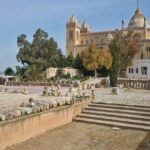
These basins sit outside the ramparts of the medina, and they date to the second half of the 9th century. The key point is that they are not just pretty ruins. They are widely regarded as among the most important hydraulic works in the history of the Muslim world, and they show how a city supported daily life with engineering.
What I find valuable is how this stop balances the day. After sacred spaces and a busy medina, these basins are quieter and more focused. You can look at the structure and imagine the water system behind it, which makes the rest of the trip feel more complete.
If you are short on time in a day like this, still take the full slot. These basins are the kind of feature that make a tour feel thoughtfully assembled.
El Jem amphitheatre: A Roman Colosseum with real scale
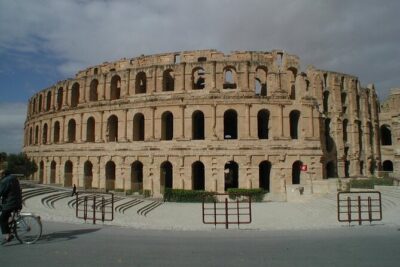
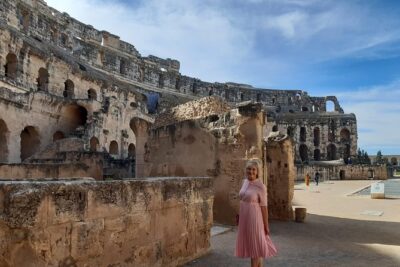
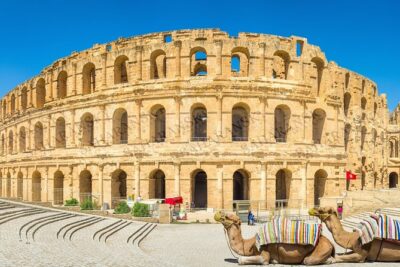
Then comes the headline for many people: El Jem amphitheatre. You get about an hour here, which is enough to walk the main areas, absorb the size, and understand the context without feeling rushed.
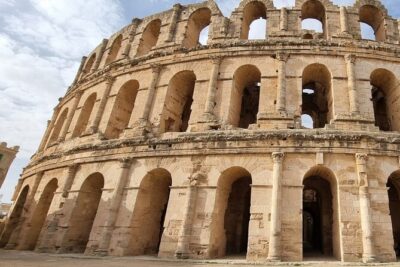
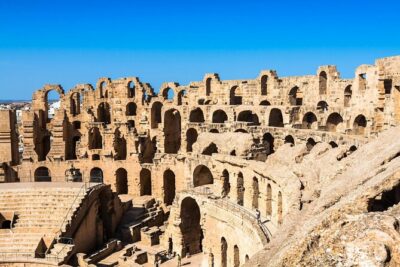
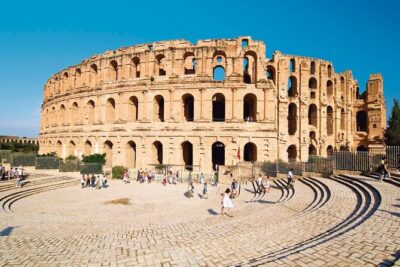
This is a Roman site founded in the 3rd century AD and listed as a World Heritage Site in 1972. The numbers are what grab you first: the amphitheatre could accommodate 30,000 spectators, and it is often described as the third largest in the Roman world after Rome and Capua.
What makes it worth the effort is the feeling of structure. You can see the logic of the design, the way seating layers relate to the performance space, and the way the amphitheatre dominates its surroundings. In a place like this, explanations matter. A guide can connect what you see to what Roman entertainment and civic life looked like.
A note to plan intelligently: one area to watch is what is covered by your included entrance. Some visitors have pointed out that the tour includes the amphitheatre entrance, but the broader museum or archaeological components tied to the same ticket system may not be explicitly guaranteed as part of the route. If you care about museum displays at El Jem, ask your guide on the day to clarify what your included entry covers.
Monastir’s Ribat: Spiral steps, watchtower views, and defense by prayer
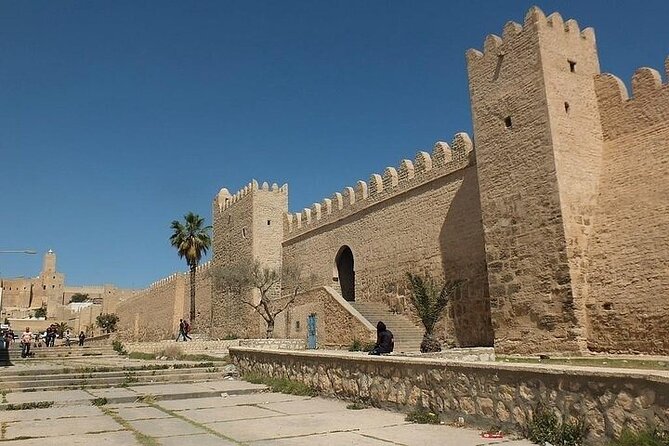
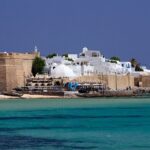
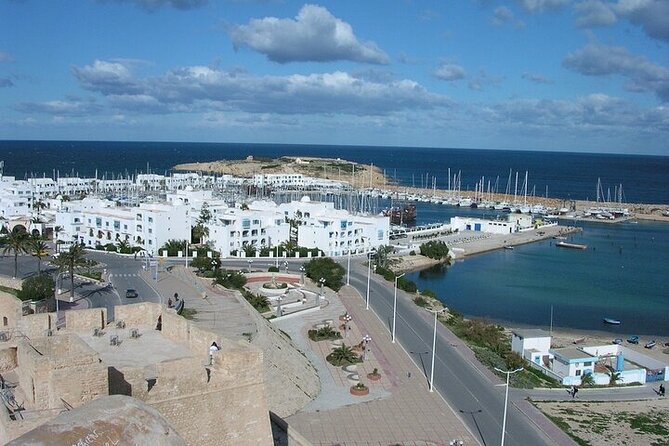
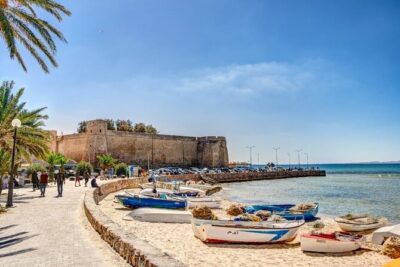
The final stop is Monastir, and specifically the Ribat. You have about 45 minutes here, which is a decent amount for a site like this because it includes both architecture and climbing.
The Ribat is an early-Islam defensive work along the Maghreb coast, founded in 796. It started with a quadrilateral shape and has four buildings opening onto two interior courtyards. The concept matters: it housed “warrior monks” who combined military duty with prayer and contemplation. That mix turns the building from a military-only curiosity into a place with a more human story behind the stones.
Inside, there are prayer rooms, with one of them being the more spacious one and holding rare cult collectibles and medieval crafts today. Then you have the watchtower. A hundred spiral steps take you up to a viewpoint where you can see Monastir and the surrounding area, and the design also relates to light messages exchanged at night with neighboring ribats.
If you do not like climbing, you still can appreciate the site layout from ground level, but the stairs are part of why the Ribat feels alive. Wear shoes you trust, and take your time. A long day plus stair climbing is a combo, so pacing matters.
Timing and transport: Why the day can feel long (and how to handle it)
This tour runs about eight hours starting at 8:00 am. That start time is helpful because you beat some heat and you give your sightseeing sequence a clearer rhythm. Still, the distances between Kairouan, El Jem, and Monastir mean you will spend time in the car.
That is the trade-off for seeing three major locations in one go. If you want deep, slow museum time, you might feel the pinch, especially if you are also trying to add snacks, photos, and extra questions. Some people finish the day impressed but tired, mostly because El Jem and Monastir are big enough to justify more time than one stop each.
Practical fix: commit to the tour’s priorities. Use the provided time blocks fully, but let go of the idea that you will master every detail. If you love architecture, concentrate on the Great Mosque courtyard and the amphitheatre scale. If you love engineering, focus on the Aghlabid basins. If you love views, make the Ribat climb your photo mission.
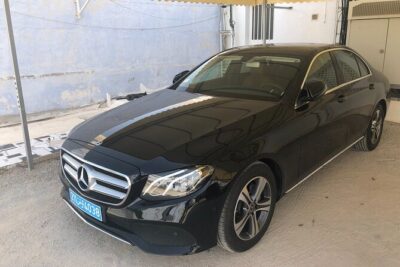
Also, if you are sensitive to vehicle comfort, plan for basic variation. The tour includes air conditioning, but the driving experience can still feel different depending on the exact vehicle assigned.
Price value: What $98.72 buys you, and what to double-check
At $98.72 per person, this is not a bargain-basement deal, but it also is not only paying for a ride. Your entry fees for the Great Mosque, medina segment, El Jem amphitheatre, Monastir Ribat, and the Aghlabid basins are included, along with all fees and taxes. You are also getting an air-conditioned vehicle and private group service.
That is where the value sits. Admission tickets and guided navigation can add up fast if you tried to stitch together a DIY day trip from Hammamet. In practice, having a guide can save you time and confusion, especially in medina areas where getting turned around is easy.
Where I would double-check is your personal interests:
- If you want El Jem museum or archaeological exhibits in addition to the amphitheatre, confirm what your included entry lets you access and whether the route allows time for it.
- If you dislike shopping detours of any kind, tell your guide you want to keep the medina browsing focused on walking and pastries rather than extended retail stops.
On the plus side, several guides mentioned in the experience name strong English skills and a balanced pace. You might get a guide like Ahmed, or Fhame, who keep the day flowing while leaving room to explore at your own speed inside the scheduled windows. A solid driver also matters on long road days, and people have mentioned drivers such as Saidi for safe, punctual driving.
Who this tour suits best
This works best for you if you want a structured taste of Tunisia without doing complicated planning. It is also a good choice if you are staying around Hammamet and you want more than beaches and daydreaming.
It is especially suitable for:
- First-timers who want to hit Kairouan’s spiritual sites and a major Roman monument
- People who prefer private guiding rather than big bus group logistics
- Travelers who enjoy architecture, city heritage, and engineering details (basins are a standout if that is your thing)
It may not suit you as well if you:
- Want a slow, relaxed itinerary with long stops
- Are mainly museum-focused and want lots of time inside El Jem’s related collections
- Need lots of downtime between driving and walking
Should you book this Kairouan, El Jem, and Monastir tour?
If you are the kind of traveler who likes seeing the big anchors of a region in one smart day, I think this is an easy yes. You get a clear sequence with included admissions, a private setup, and a mix of sacred, urban, Roman, and defensive history that tells a fuller story than any single stop could.
Just go in with realistic expectations. It is an active day. You will do a lot of meaningful looking, not a lot of lounging. If you prepare for that, you likely come away feeling like you actually used your time well.
If El Jem museum time matters to you, ask about what is covered on the day and whether your schedule can accommodate additional areas tied to the entry. If you are flexible and curious, the payoff is strong: Kairouan’s Great Mosque, the medina’s real craft-and-snack vibe, the engineered basins, El Jem’s Roman punch, and Monastir’s ribat viewpoint will all be on your mental map.
FAQ
What time does the tour start?
The tour starts at 8:00 am.
Is pickup from Hammamet included?
Pickup is offered, and the tour includes hotel pickup.
How long is the day trip?
The duration is about 8 hours.
What entrance fees are included?
Entrance is included for the Great Mosque of Kairouan, Medina of Kairouan, El Jem Amphitheatre, Forte El Ribat, and the Aghlabid basins.
Is lunch included?
No, lunch is not included.
Can I get a refund if I cancel?
You can cancel up to 24 hours in advance for a full refund. If weather is poor, the experience may be canceled and you will be offered a different date or a full refund.
Down the Sahel Coast
Still in Kairouan? Keep Going
El Jem, Three More Ways
Newest off the review desk in Tunisia
El Jem Amphitheatre Day Trips, side by side.
 ★ 5.0Private Tour to Kairouan, El Jem & Monastir from Tunis / HammametFrom $98301 reviews
 ★ 4.5Daytrip to Kairouan and El Jem ColosseumFrom $15155 reviews
 ★ 5.0Private Half Day Tour Roman Coliseum EL JEMFrom $8051 reviews
 ★ 5.0Half-day excursion from Sousse to the amphitheater of El JemFrom $7547 reviews
 ★ 4.5Kairouan and El Jem Private Day TourFrom $8538 reviews
 ★ 4.0Kairouan & El Djem Guided Day Trip with Lunch from HammametFrom $8918 reviews
 ★ 5.0Private Half Day Tour to Roman Coliseum EL JEM from MonastirFrom $8016 reviews
 ★ 4.5Kairouan Holy City and El Jem Colosseum Tour from SousseFrom $8513 reviews