
REVIEW · ANCIENT CARTHAGE & SIDI BOU SAID
From Hammamet or Tunis: Carthage, Bardo, Sidi Bou said and Medina
Carthage plus Tunis in one day is a smart move. I like how this route strings together UNESCO sites and street-level Tunis at a pace that still leaves room for photos and breathing breaks. You get sweeping coast views, major archaeology, and then a walk through old-city lanes.
Two things I really like are the mix of scale, from huge ruins to small details, and the way the day keeps key stops efficient. Carthage is handled with multiple timed stops, and the Bardo Museum lands right after Sidi Bou Said so your Roman-mosaic mood stays on track.
One possible drawback: it is a long day, and the museum portion can feel like a bit of a tradeoff if you want more time outdoors. Also, the Bardo Museum is closed on Monday, so you may need a different day to match this plan.
In This Review
- Key highlights worth planning for
- Why This Carthage, Bardo, Sidi Bou Said, and Tunis Day Tour Works
- Pickup From Hammamet or Tunis, and How the Day Flows
- Carthage Archaeological Site: Five-Story Homes, Coast Views, and Roman City Scale
- Antonine Baths, Tophet de Carthage, and the Carthage Aqueduct
- A practical note on Carthage time
- Sidi Bou Said: 1 Hour in the Blue-and-White Streets
- Bardo Museum: Roman Mosaics Without the Full-Day Trap
- Beb Bhar, Zitouna Mosque, and Tunis Medina Lanes
- Timing inside the Medina
- Price and Logistics: Is $35 Per Person Good Value?
- Who This Tour Fits Best, and Who Should Rethink It
- The Guide and Driver Factor: Why It Shows Up in the Experience
- Should You Book This Tour?
- FAQ
- What is the tour duration?
- How much does it cost?
- Is pickup offered?
- Is this a private tour?
- Which major sites are included?
- Is Bardo Museum admission included?
- Are there any stops with free admission?
- Is the Bardo Museum closed on any day?
- Is there a vegetarian option?
- What is the cancellation approach and what affects it?
Key highlights worth planning for
- UNESCO Carthage with Antonine Baths, Punic Ports, and major ruin areas spread across the day
- Sidi Bou Said for a focused 1-hour stroll and sea views in a picture-perfect setting
- Bardo Museum timed for Roman mosaics and a 1-hour visit without dragging the whole day
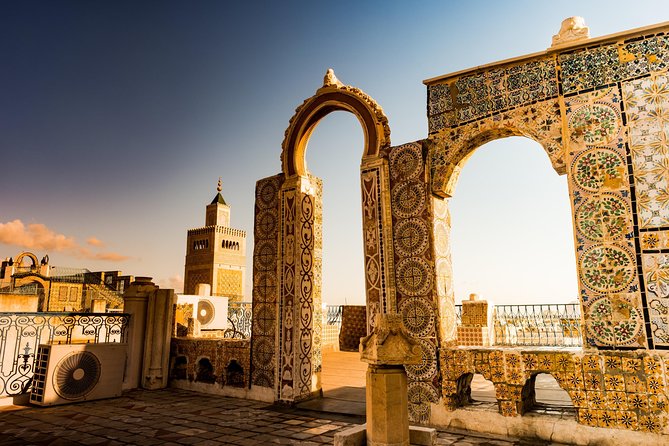
- Tunis Medina with a guided walk past key stops like Beb Bhar and Zitouna Mosque
- Private tour where only your group participates, with pickup included
Done with the Punic ports? More Carthage and Sidi Bou Said runs to compare
- Private tour: Medina,Carthage ,Sidi Bou Said, Bardo Museum+lunch★ 5.0 · 194 reviews
- Tunis, Sidi Bousaid and Carthage day trip from Hammamet★ 4.5 · 44 reviews
- Half a day in Sidi Bousaid from Hammamet★ 4.0 · 33 reviews
- From Hammamet or Tunis: Carthage, Bardo, Sidi Bou said and Medina★ 4.5 · 30 reviews
Why This Carthage, Bardo, Sidi Bou Said, and Tunis Day Tour Works
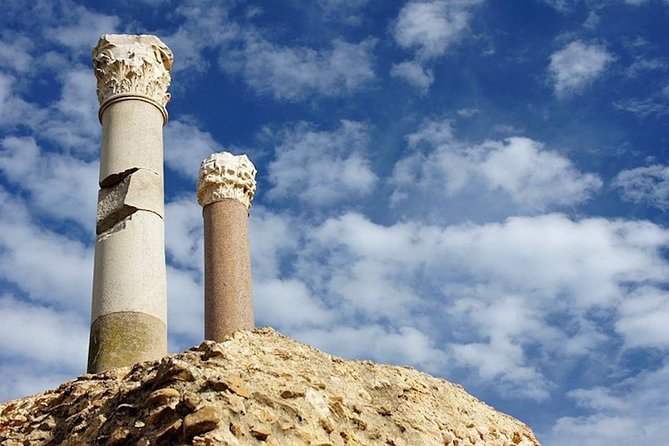
This is the kind of day that helps you get your bearings fast. You start with the big, dramatic story of Carthage, then shift to a coastal village atmosphere, and finish in Tunis where history is still lived in. If you want both “wow” scenery and city texture, this itinerary is built for that.
The timing also makes sense. Carthage gets the early attention when you are freshest, then Sidi Bou Said gives you a visual reset. After that, the Bardo Museum brings everything back to Roman-era craftsmanship before you close with Medina streets and the Zitouna area.
And it is private, which matters more here than you might think. You are moving between several sites, so having your own guide and group-only time can make the difference between feeling rushed and actually enjoying the day.
Pickup From Hammamet or Tunis, and How the Day Flows
You are listed as starting from Hammamet or Tunis, and pickup is offered. That is a real value point because getting to Carthage plus the Bardo Museum plus the Medina on your own can turn into a patchwork of taxi rides and waiting time.
The route is also designed to reduce backtracking. Carthage stops are clustered first, then you head toward Sidi Bou Said and the Bardo Museum, and then you finish with Tunis old city highlights. That order helps, because the end of the day is mostly walking inside the Medina.
It runs about 8 hours. That length is normal for this type of “best-of” day, but it does mean you should dress like you plan to move. Comfortable shoes matter, especially for narrow lanes and lots of stopping for viewpoints.
Carthage Archaeological Site: Five-Story Homes, Coast Views, and Roman City Scale
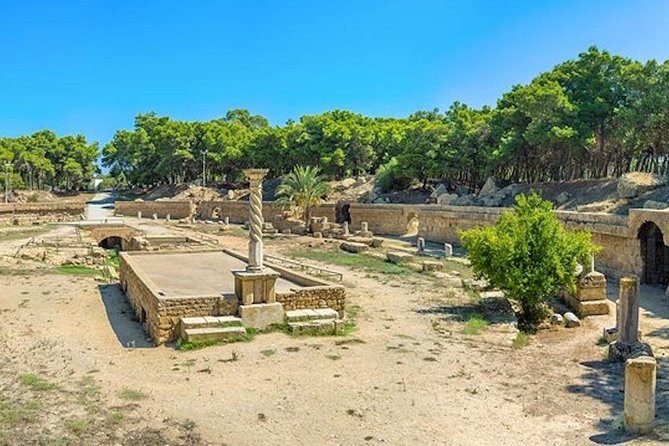
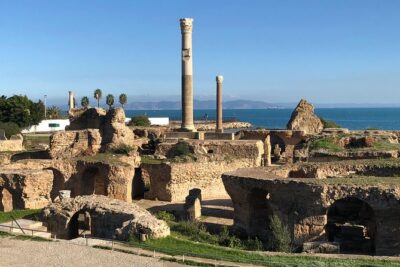
The day begins at the Site Archeologique de Carthage for about 2 hours, with admission ticket included. This is not just a quick look at broken walls. Carthage is presented as a whole urban system, and you get the bigger picture of how the city worked.
One detail I love here is the scale of what archaeologists have uncovered. You learn that Carthage was destroyed by the Romans in 146 BC, but excavations have revealed evidence like five-story homes, sewage systems, and the remains of city walls that once stretched 21 miles, or 34 km, across Byrsa Hill. That kind of info changes ruins from pretty stones into a real city.
You also get sweeping coastline views from the archaeological area. Even if you are not a hardcore archaeology person, the combination of the physical remains and the view helps you understand why Carthage mattered in the Mediterranean world.


Antonine Baths, Tophet de Carthage, and the Carthage Aqueduct
After the main Carthage time, you get three additional archaeology stops that keep the storyline moving.
The Baths of Antoninus are listed for 30 minutes, with ticket included. Baths are a good choice for a short slot because even partial remains can communicate daily Roman life. You see how architecture was designed for crowds, routine, and status.
Then comes Tophet de Carthage for 1 hour, with ticket included. This stop adds depth to the older layers of Carthage. It is the kind of place where your guide’s explanation helps you make sense of what you are looking at, because the site is not self-explanatory.
Finally, there is the Carthage Aqueduct for 30 minutes, with ticket included. Aqueducts are the unglamorous heroes of ancient cities. Seeing one after the baths and Tophet helps you connect the dots between water, daily life, and how cities endured.
A practical note on Carthage time
The Carthage portion is structured, but it is still tight: 2 hours plus two 30-minute stops plus a 1-hour stop. If you like taking things slowly, bring that mindset into the first 2-hour block, because that is where you will likely get the most overall context.
Sidi Bou Said: 1 Hour in the Blue-and-White Streets
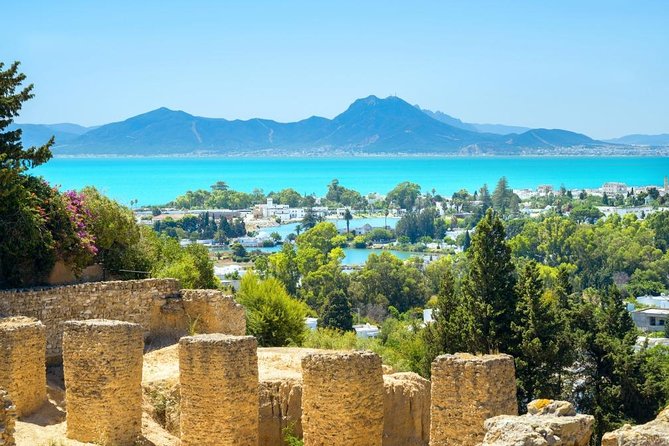
After Carthage, you head to Sidi Bou Said, listed as Centro storico for about 1 hour with free admission. This is the contrast you want after ruins. The village is known for its blue-and-white streets and sea-facing views, and that shows up quickly as you wander.
I like the way the itinerary keeps Sidi Bou Said to a single focused hour. It is enough to enjoy the scenery and take photos without feeling like you are stuck in a slow loop.
The best way to use this stop is simple: plan to do a short circuit rather than chasing one perfect corner. You will see more variety by moving through the streets, then pausing at viewpoints when you find them.
Bardo Museum: Roman Mosaics Without the Full-Day Trap
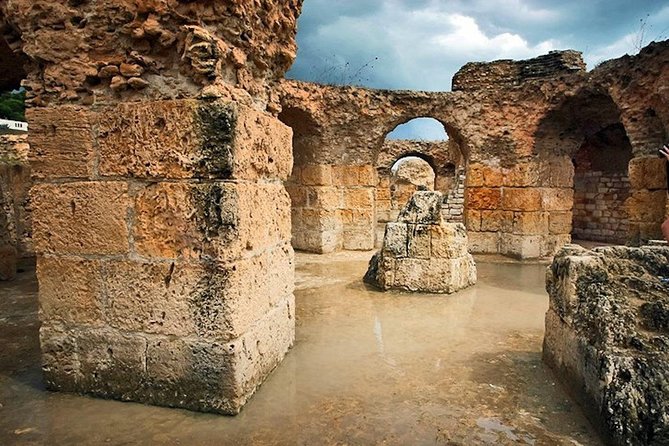
The National Museum of Bardo is included for about 1 hour, with admission ticket included. It is famous for Roman mosaics, and this visit is built around that strength.
One thing I like about the pacing is that it respects your attention span. A museum can easily balloon into hours, but here you get a set amount of time. That means you are not forced into either rushing or abandoning the visit completely.
Also check the weekday. The Bardo Museum is closed on Monday. If you are traveling over a Monday, you would need an alternate plan, because the itinerary will not fully work as written.
If you are the type who can stand in front of detailed artwork for a long time, 1 hour can feel short. That said, it is a reasonable match for a full-day combination tour, especially when Carthage and Medina are also on the schedule.
Beb Bhar, Zitouna Mosque, and Tunis Medina Lanes
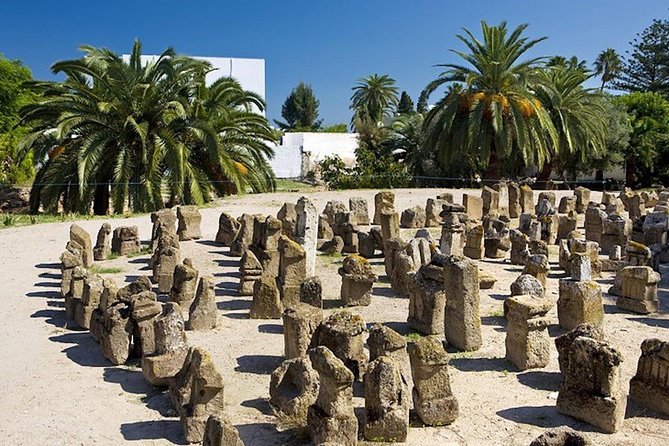
The old city part starts with Beb Bhar for 15 minutes, free admission. This is a good “arrival point” into Medina because it gives you a visible marker before you step into the tighter street maze.
Next, you visit the Zitouna Mosque of Tunis as part of the Medina segment. The itinerary then continues with a guided exploration of the Medina of Tunis for about 1 hour, with free admission.
This section is where you get Tunis as a lived place, not just a list of monuments. You are guided through narrow streets, and you visit areas like a cap-makers market and a perfume market. Those details help you feel the city’s crafts culture rather than treating Medina like an outdoor museum.
Zitouna is a key stop for orientation too. It gives shape to the neighborhood geography, so your Medina walking feels purposeful instead of random.
Timing inside the Medina
Because your Medina time is only about 1 hour, treat it like a guided highlight run. The goal is to get your bearings and see what makes this old city special, not to cover every street.
If you want more time to wander independently, you might do better adding a separate half-day later in your trip.
Price and Logistics: Is $35 Per Person Good Value?
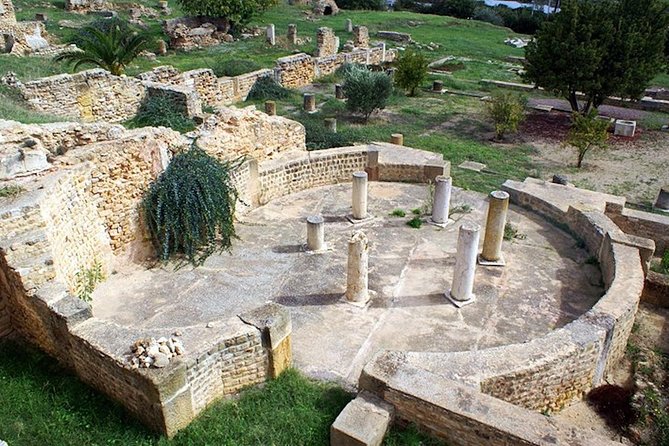
At $35 per person for a roughly 8-hour private tour, this is positioned as a value-focused day. The math looks better because key admissions are included for the major sites. You are paying for transportation and guidance, plus tickets at Carthage stops and the Bardo Museum.
Here is the value breakdown in plain terms:
- You get pickup offered, so you are not solving logistics between multiple distant sites.
- Admission tickets are included for the main Carthage areas and the Bardo Museum.
- Medina and key street-level stops like Beb Bhar and Sidi Bou Said are listed as free.
Also, there are group discounts mentioned, which can lower cost further for small groups. You also get a mobile ticket, which is convenient if you like minimal paperwork.
One more point: this is described as private, meaning only your group participates. Private time typically costs more on tours, so the price plus included tickets is what makes this one feel like a smart deal.
Who This Tour Fits Best, and Who Should Rethink It
This day tour is best for you if:
- You want a first-time Tunisia overview that mixes major sights with local market texture.
- You like structured touring where the guide keeps the story clear across multiple stops.
- You prefer to minimize day-planning stress by having pickup and set timings.
It may be less ideal if:
- You want a long, slow museum session. The Bardo Museum is 1 hour, and that is a hard cap.
- You are easily worn out by long days with multiple walking zones.
If you are traveling with kids or a baby, the itinerary may still work because it is private and guides can adjust pacing. In one case, a driver named Haythem was specifically praised for helping make the day smooth for a 7-month-old. That does not guarantee every situation, but it does suggest the operator is used to accommodating real-life needs.
For language expectations, you might meet guides with strong English. One guide, Boutheina, was praised for a bubbly, engaging style, while another named Bouhdid was highlighted for excellent English and safety-minded driving support.
The Guide and Driver Factor: Why It Shows Up in the Experience
In Tunisia, the difference between a good day and a great day is often the human factor. Here, you are dealing with archaeology sites, a major museum, and a Medina that can be confusing if you are tired. That is exactly where guides matter.
You will likely appreciate guides who can connect what you see to what it meant. People specifically praised guides like Boutheina, Bouhdid, Haudi, Saïf, and also mentioned excellent English and friendly, attentive guidance.
Drivers also come up. Halim and Momo were both praised for safe, smooth driving. Even if you do not notice the driving at first, you will feel it during a long day when traffic and short transitions can wear you down.
Should You Book This Tour?
I would book it if your goal is a high-value day that connects Carthage, Sidi Bou Said, the Bardo Museum, and Tunis Medina into one coherent circuit. The price looks fair because key admissions are included, pickup helps you avoid wasted time, and the private format keeps the experience focused on your group.
I would pause before booking if you are traveling on a Monday and you care a lot about the Bardo Museum, since it is closed then. I would also consider whether you want a museum-heavy day, because 1 hour is designed for a best-of overview, not museum wandering.
If you want a practical, efficient way to understand Tunisia’s layers in a single day, this is a strong choice.
FAQ
What is the tour duration?
The tour runs for about 8 hours.
How much does it cost?
The price is $35.00 per person.
Is pickup offered?
Yes, pickup is offered.
Is this a private tour?
Yes. Only your group participates.
Which major sites are included?
You visit Carthage (including the Site Archeologique de Carthage, Baths of Antoninus, Tophet de Carthage, and the Carthage Aqueduct), Sidi Bou Said, the National Museum of Bardo, Beb Bhar, Zitouna Mosque, and Medina of Tunis.
Is Bardo Museum admission included?
Yes. Admission to the National Museum of Bardo is included.
Are there any stops with free admission?
Sidi Bou Said (listed as free), Beb Bhar (free), and the Medina and Zitouna Mosque segment (listed as free) are not ticketed in the provided details.
Is the Bardo Museum closed on any day?
Yes. The Bardo Museum is closed on Monday.
Is there a vegetarian option?
Yes, a vegetarian option is available. You need to advise at booking.
What is the cancellation approach and what affects it?
There is free cancellation up to 24 hours in advance for a full refund. The tour also requires good weather and a minimum number of travelers, and if it is canceled due to those factors, you are offered a different date or a full refund.
Everything Else We Have Reviewed in Tunisia
Deeper into the Tunis Medina
Carthage and Sidi Bou Said, Compared
Newest off the review desk in Tunisia
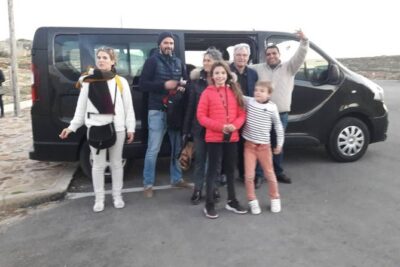

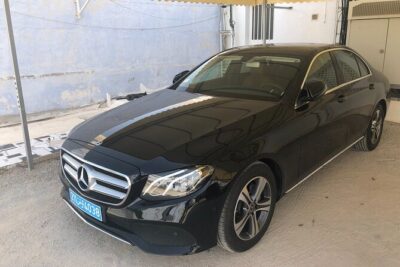
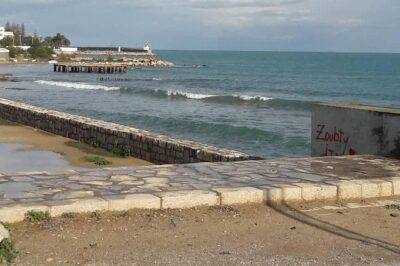
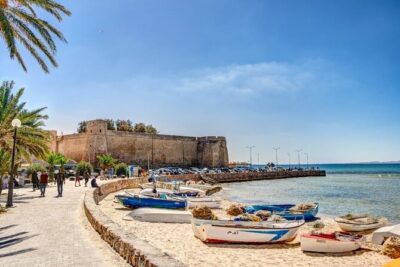
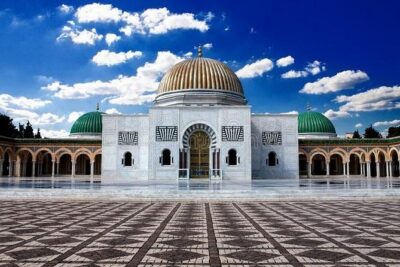
Ancient Carthage & Sidi Bou Said, side by side.
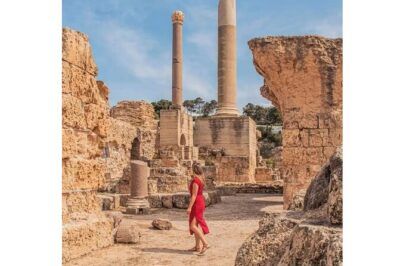 ★ 5.0VIP Tour: Tunis Medina/Bardo, Sidi Bou Said, Carthage |PICKUP ALLFrom $30512 reviews
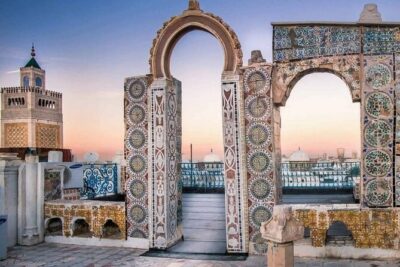 ★ 5.0Private tour: Medina,Carthage ,Sidi Bou Said, Bardo Museum+lunchFrom $46230 reviews
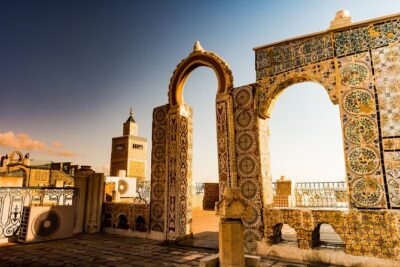 ★ 4.5Carthage, Bardo Museum, Sidi Bou Said and Medina Private Day TourFrom $30153 reviews
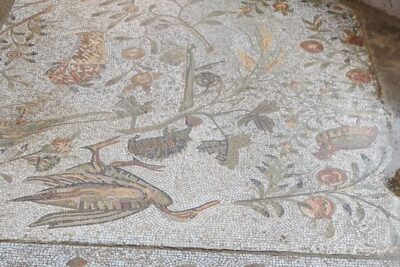 ★ 5.0Guided Bike Tour of Carthage Archeological Site in TunisiaFrom $9188 reviews
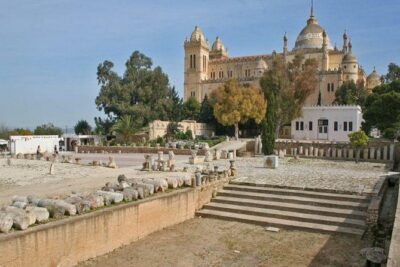 ★ 5.01 day excursion Tunis Sidi Bousaid Carthage departure from SousseFrom $11687 reviews
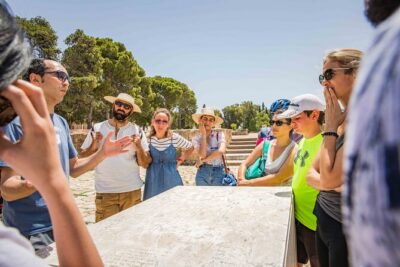 ★ 5.0Group Guided Bike Tour of Carthage Archeological Site in TunisiaFrom $5657 reviews
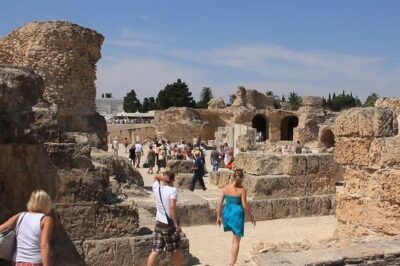 ★ 5.0Archaelogical Site Of Carthage + Picturesque Village Of Sidi Bou SaidFrom $11656 reviews
 ★ 5.0Historical Tour of Ancient CarthageFrom $10451 reviews