
REVIEW · ANCIENT CARTHAGE & SIDI BOU SAID
Daytrip Carthage Sidi Bousaid Bardo and Tunis Medina
Carthage to blue streets in one day.
This private daytrip links two UNESCO sites (Tunis Medina and Carthage) plus the postcard-perfect cliff village of Sidi Bou Said, with guided time at the big archaeology stops and the National Bardo Museum. The route is made for people who want major northern Tunisia highlights without wrestling buses, crowds, and confusing timing all day.
I love the way this tour mixes major ruins with real neighborhoods, so it feels like you’re moving through different eras of Tunisia rather than ticking boxes. I also like the personal touch: the guide Ghassen is specifically praised for tailoring the Carthage focus to what you care about, and Sana gets credit for handling tight roads and parking with confidence. A main consideration is that it’s a long day, and you’ll do some walking around sites and in Medina, so plan for comfortable shoes and a moderate fitness level.
In This Review
- Key things to know before you book
- Why this daytrip packs so much value into 7 to 8 hours
- Carthage morning: Tophet, ports, Antoninus baths, and the Museum on Byrsa
- Stop 1, Tophet de Carthage, and why the stories here are complicated
- Stop 2, Punic Ports and Museum: seeing how Carthage worked like a machine
- Stop 3, Baths of Antoninus: the Roman layer, quick and atmospheric
- Stop 4, Carthage Museum at Byrsa Hill: where the pieces click
- Sidi Bou Said in an hour: blue-and-white streets, big views, and the village name
- Walking Tunis Medina: souqs, hammams, and those doorways you can’t stop noticing
- National Bardo Museum: mosaics, civilizations, and the Monday switch
- Comfort, logistics, and the part you actually feel: driving time and guide quality
- Who should book this tour, and who might find it too much
- Should you book Daytrip Carthage Sidi Bousaid Bardo and Tunis Medina?
- FAQ
- How long is the tour?
- Is pickup from my hotel included?
- Is this a private tour?
- Which UNESCO sites are included?
- Are admission tickets included?
- What happens if I book on a Monday?
Key things to know before you book
- Private, air-conditioned transport with pickup from your hotel and return to the same place
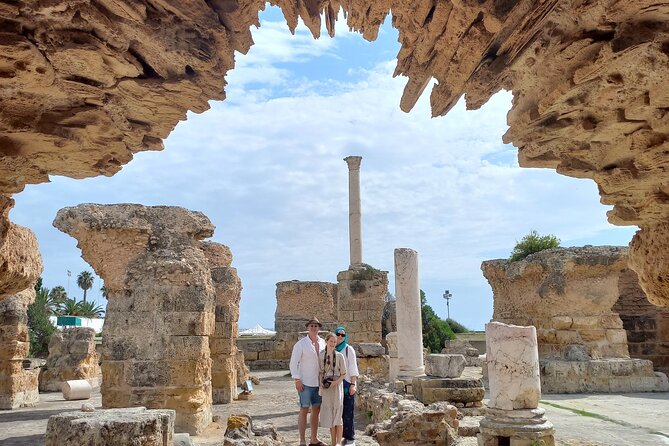
- Carthage UNESCO time includes Tophet, ports, Baths of Antoninus (ticket not included), and the National Carthage Museum
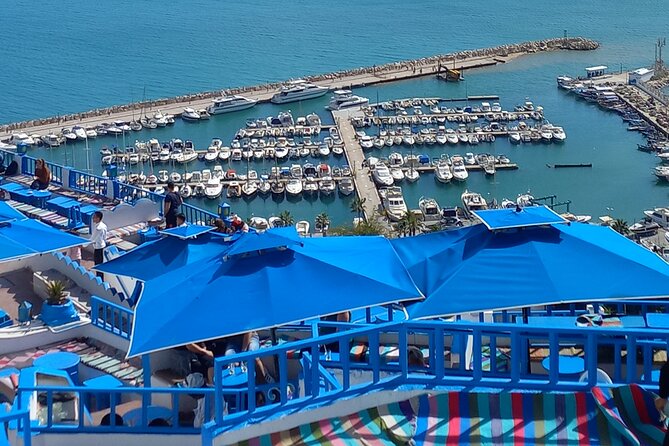
- Sidi Bou Said is a slow, scenic hour with iconic blue-and-white streets and big sea views
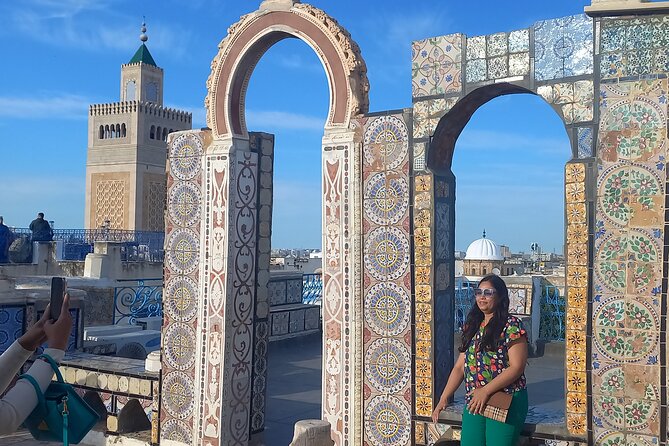
- Tunis Medina runs deep with covered souqs, artisans at work, and ornate doorways, all free to explore
- Bardo Museum timing matters because it’s not visited on Mondays
- Some museum guidance varies: Bardo coverage can feel lighter than expected depending on the guide
Done with the Punic ports? More Carthage and Sidi Bou Said runs to compare
- Private tour: Medina,Carthage ,Sidi Bou Said, Bardo Museum+lunch★ 5.0 · 230 reviews
- Carthage, Bardo Museum, Sidi Bou Said and Medina Private Day Tour★ 4.5 · 153 reviews
- Guided Bike Tour of Carthage Archeological Site in Tunisia★ 5.0 · 88 reviews
- Group Guided Bike Tour of Carthage Archeological Site in Tunisia★ 5.0 · 57 reviews
Why this daytrip packs so much value into 7 to 8 hours
The headline is simple: you get a three-for-one route across some of Tunisia’s best-known places, plus a major museum stop. Carthage brings Roman and Punic layers. Sidi Bou Said adds views and architecture. Tunis Medina gives you the medieval street life. Then, if it’s not Monday, you finish at the National Bardo Museum, famous for mosaics and Mediterranean-era connections.
The practical side is what makes it work. You’re not driving yourself. You’re not coordinating separate tickets and rides between far-flung stops. And because it’s a private tour, your guide can set the pace, spend extra time on the parts you care about, and keep the day from turning into a rushed checklist.
Price-wise, $162.60 per person for a full day is not “cheap,” but it’s not just a transfer either. This includes a guided format for major stops, and admission is included for several key parts of the program (Tophet, Carthage Museum, and Bardo, with other spots like Medina and Sidi Bou Said listed as free). For a first visit to Tunis and the surrounding highlights, that blend often feels like better value than buying entry tickets one by one and then trying to stitch the logistics together on your own.
Carthage morning: Tophet, ports, Antoninus baths, and the Museum on Byrsa
Carthage is the long pole of the day, so expect a structured flow. You’ll start with a short stop that sets the tone, then move into the port and museum story where Punic power becomes easier to visualize.
Stop 1, Tophet de Carthage, and why the stories here are complicated
Tophet de Carthage is where you’ll confront one of the site’s most debated interpretations. Many historians consider Tophet could be a children’s cemetery. The tour framing connects the idea to rituals dedicated to Baal and the Lady Tanit, with attention to how later writers, including Flaubert, shaped the public imagination with vivid images.
You don’t need to arrive with a single fixed opinion to enjoy this stop. The value is that you see why the question matters and how archaeological evidence can be read differently over time. It’s also a quick hit, about 20 minutes, with admission included.
Practical note: this is not a “relax and snack” moment. Go in mentally prepared for heavy themes and for learning that history often comes with uncertainty.
Souk legs not tired yet? More walks through the Tunis medina and the Bardo
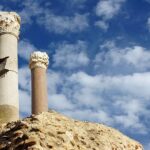

Stop 2, Punic Ports and Museum: seeing how Carthage worked like a machine
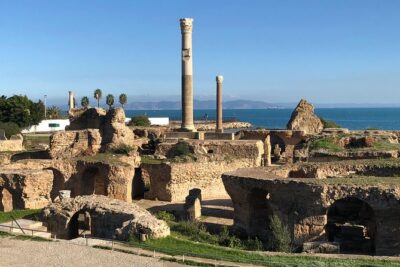
Next comes the port story, and it’s one of the most useful parts of the day because it explains power through geography. The program highlights two linked port areas: a southern, oblong merchant port and a northern circular naval port, connected by a narrow channel. The military port was hidden from the outside, while the navy could see out to sea, which is the kind of detail that makes ancient strategy feel real.
You’ll also hear the numbers that underline scale: moorings for about 220 vessels in dry docks and around the quay-lined edge. The commercial port is described as about 7 hectares, bordered by quays and warehouses.
There’s a lot of historical context here too. The ports were filled in by Scipio after Carthage’s destruction in 146 BC, and later the Romans reinvented the islet in the 2nd century AD.
This stop is listed as around 20 minutes and admission is free. It’s not meant to replace a deep archaeology course, but it gives you enough structure to understand what you’re looking at later in the museum.
Stop 3, Baths of Antoninus: the Roman layer, quick and atmospheric
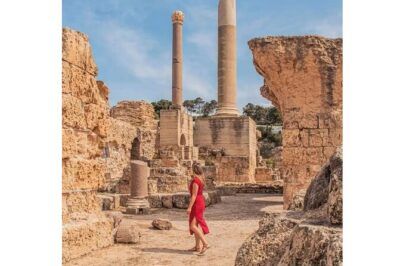
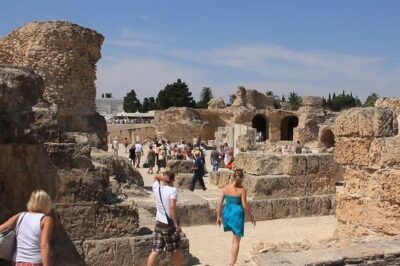
After the Punic port focus, you’ll see the Baths of Antoninus, built in the 2nd century and now part of an archaeological park. The program time is 45 minutes, and admission is listed as not included.
This can be a good palate cleanser after the heavier Tophet themes. Roman baths are easier to picture as daily life. Still, treat it as part of an in-between zone of the day. If you’re the type who loves stopping to read every sign for an hour, you might wish the museum time were longer, because the tour keeps things moving.
Stop 4, Carthage Museum at Byrsa Hill: where the pieces click
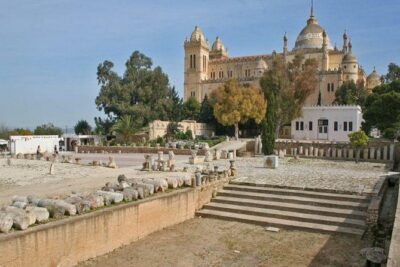
Then you reach the National Carthage Museum, located on top of Byrsa Hill, a symbolic spot where the Punic city was built. The tour description points out that you can notice vestiges dating back to the 2nd century BC around the museum location, which helps you understand why archaeologists care about the hill itself, not just the artifacts.
The museum is also highlighted as Tunisia’s oldest museum, created in 1875. Admission is included, and the visit is about 30 minutes, so you’re not trapped in a marathon. You’ll get a guided sense of the archaeological discoveries made at Carthage and a view of the city’s “turbulent” storyline as layers of civilization overlap.
This is one of those stops where a guide matters. And that’s exactly where the reviews shine: Ghassen is praised for tailoring the Carthage story to your interests, especially if you’re into the Punic wars and the archaeology details rather than only seeing big general highlights.
Sidi Bou Said in an hour: blue-and-white streets, big views, and the village name
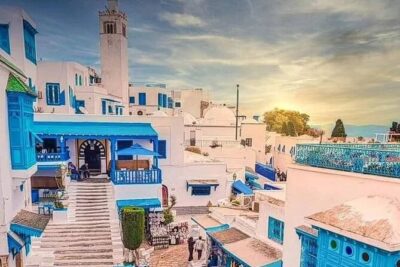
After Carthage, you shift from ruins to atmosphere. Sidi Bou Said is where Tunisia turns visual, fast.
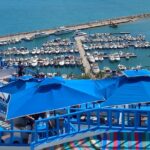
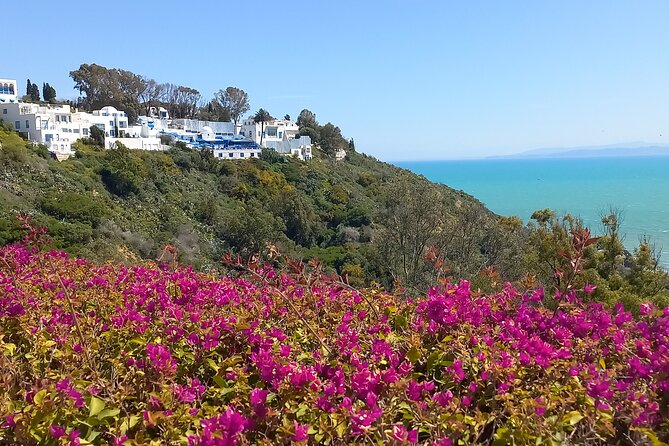
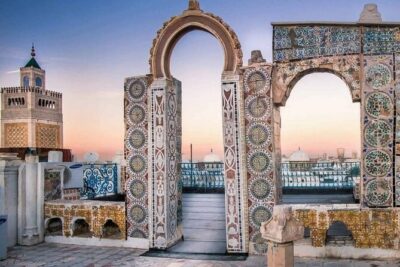
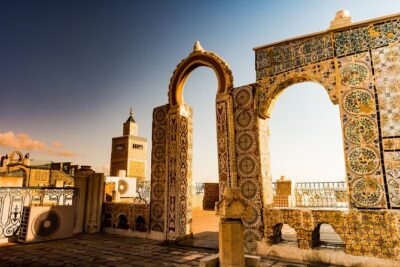
The tour presents the village as cliff-top with cobbled streets and iconic blue-and-white architecture, plus panoramic glimpses of the sea. It’s named after a 13th-century Sufi saint, and the architecture is described as a mix of Ottoman and Andalusian influence, with the Spanish Muslim influx in the 16th century shaping what you see.
Even if you only get an hour, that’s enough time to do three things:
- Walk a few side streets without rushing
- Stop for photos in viewpoints that are clearly made for them
- Understand why the village became protected in 1915
The tour description also notes notable past residents and visitors, including artist Paul Klee. That’s a fun detail for your brain, because it connects the village look to people who were inspired by it, not just tourists taking snapshots.
Admission is listed as free, and the time is about 1 hour. Comfortable shoes matter here because you’ll likely deal with uneven pavement and slopes. If you’re sensitive to heat, aim to pace yourself and save your longer photo stops for the times the light is kinder.
Walking Tunis Medina: souqs, hammams, and those doorways you can’t stop noticing
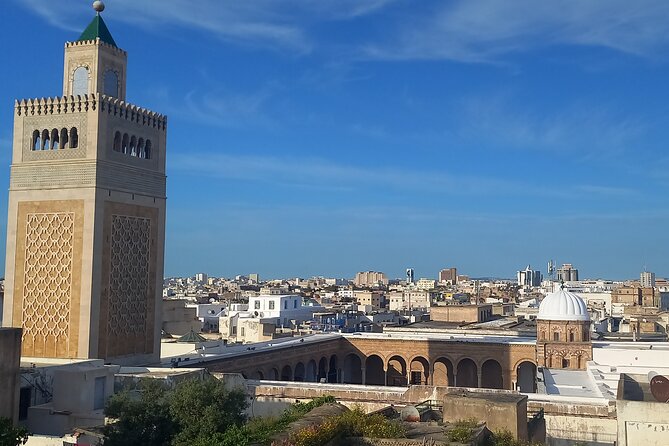
Then you step into the Medina, and it’s not polite about it. It’s a sprawling maze of alleys and streets, and the tour gives you about 1 hour 30 minutes with no admission cost.
What you can expect is a guided route through the parts that make Tunis Medina so recognizable:
- covered souqs with shops ranging from shoes to shisha pipes
- cafes and everyday street scenes
- back streets where artisans are at work
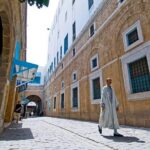
- residential areas with grand, brightly painted doorways
- historic palaces, hammams, mosques, and madrassas
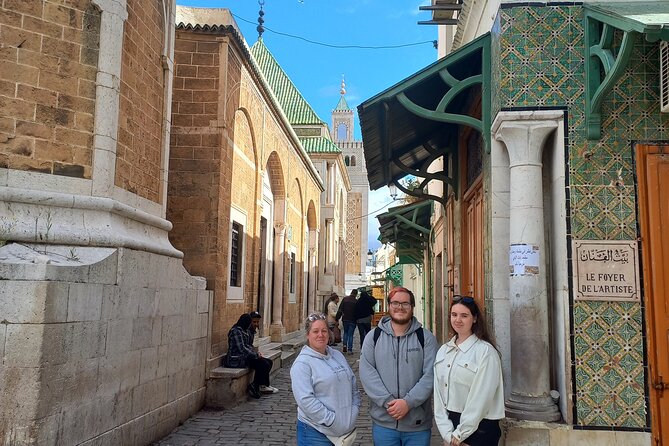
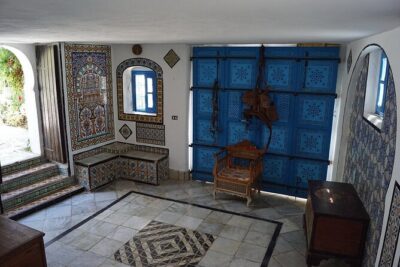
The key thing I like here is how the tour points out decorative details you might otherwise miss: tiles, carved stucco, and marble columns. In a place like this, you either wander with context or you wander blind. A good guide helps you read the place as a living system, not just a scenic walk.
Sana gets a special mention in the reviews for photo-shot places in Tunis Medina and Sidi Bou Said, which suggests she doesn’t just walk you through. She also helps you find the best angles and calmer moments when the street crowd thins out.
Bring water if it’s warm. Go slow when you enter a covered souq. And remember, Medina streets can get crowded fast, so keep your plans flexible.
National Bardo Museum: mosaics, civilizations, and the Monday switch
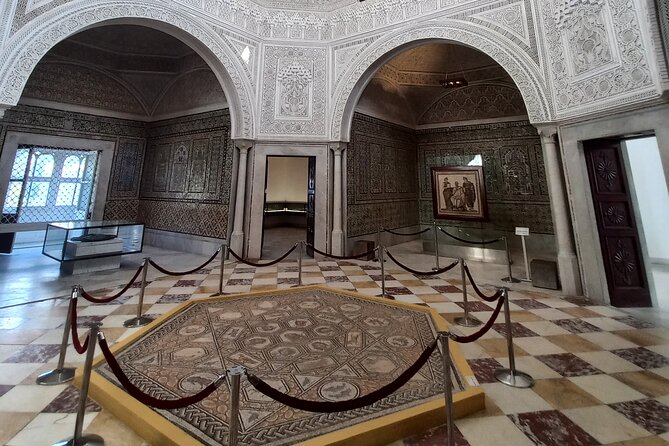
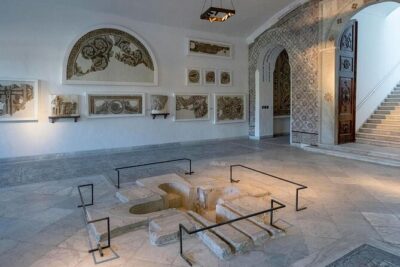
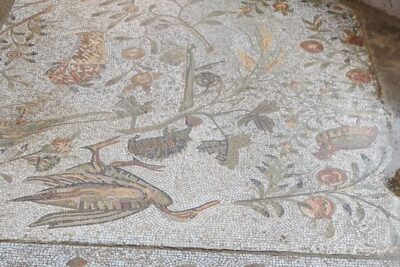
If it’s not Monday, you end with a guided visit to the National Bardo Museum. The program lists it as one of the most important museums in Africa, with prestigious mosaic collections and exhibitions showing different civilizations that developed along the Mediterranean shores.
Time is listed as about 1 hour, and admission is included. This is a good final stop because it turns scattered ruins and neighborhoods into a single, curated storyline. You’re not looking at one building fragment. You’re seeing how Mediterranean cultures connect through art, objects, and design.
But here’s the practical catch: the program explicitly states that on Mondays, the museum closes and there’s no visit. So if your trip plan lands on Monday, you should expect the day’s structure to shift.
One more balanced note from the reviews: the Bardo guidance can feel lighter than expected for some people, at least compared with the stronger Carthage explanations. That doesn’t mean the museum is disappointing. It means you may want to go with a mosaic focus rather than expecting a super deep lecture in that one hour. If mosaics are your main reason for visiting, you’ll likely enjoy it more.
Comfort, logistics, and the part you actually feel: driving time and guide quality
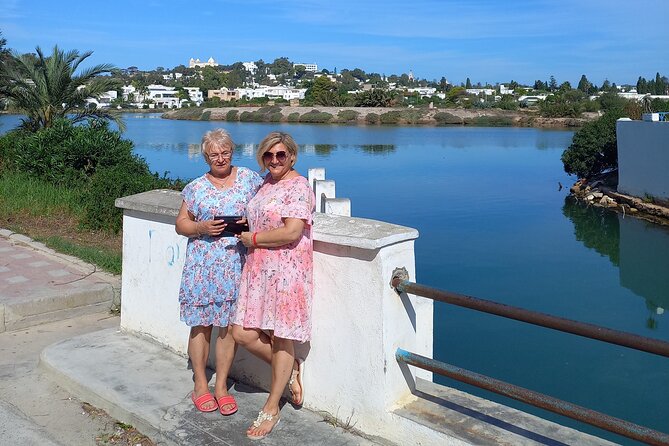
This tour is built around comfort. You travel in an air-conditioned private vehicle from and back to your hotel, and pickup is offered. That matters more than it sounds, because Carthage plus Medina plus Sidi Bou Said plus Bardo is a lot of geography in a single day.
You’ll also appreciate the private setup when driving through areas with narrow streets and tight parking. One review credits Sana with handling narrow roads and tight parking spaces without it becoming a stress fest. That’s a real quality marker for a day like this, because the schedule has little room for delays.
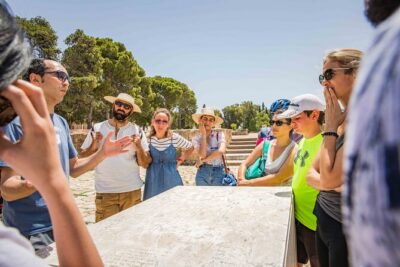
The tour also uses a mobile ticket, which is a modern convenience. And it’s described as private, with only your group participating, so you’re not stuck in the “herding cats” energy that can happen on larger group tours.
About physical demand: it calls for moderate fitness. That likely means you’ll be standing, walking, and moving between uneven places (ruins, Medina, and village streets). It’s not an all-day hike, but it’s also not a sit-down tour where you never get your feet dirty.
The guide names show up repeatedly in the reviews, and that’s your clue to choose dates and preferences wisely:
- Ghassen is praised for deep Carthage tailoring, especially around Punic wars and archaeology focus.
- Sana is praised for friendliness, attentiveness, punctuality, and smooth driving.
- Mohammed and Ghassen are mentioned together in one review as delivering two brilliant private tours.
- Moncef is thanked in another review, along with the sense of a fun, engaging day.
If you care about interpretation, not just sightseeing, you’ll probably feel good about this.
Who should book this tour, and who might find it too much
I think this tour is a strong fit if you:
- want major northern Tunisia highlights without juggling rides yourself
- care about both ruins and street-level life (Carthage plus Medina)
- like the idea of a guided route through UNESCO-level sights
- appreciate a private guide who can shape the day to your interests, like Ghassen is noted for doing
You might consider a different approach if you:
- hate long days, because 7 to 8 hours means you’re constantly switching environments
- prefer museum time that’s slower and more detailed than what fits into a one-hour Bardo stop
- feel uncomfortable walking through older streets and uneven archaeological areas
This is also best for people who plan a little around lunch. One review notes that fees are included except for lunch, which is a good reminder to budget for your own meal and snacks.
Should you book Daytrip Carthage Sidi Bousaid Bardo and Tunis Medina?
Yes, if you want a focused day that strings together Carthage, Tunis Medina, and Sidi Bou Said with real guidance and comfortable transport. The value comes from the private logistics and the fact that admission is included for several big-ticket pieces, not just the driving.
I’d book it with Monday in mind. If your dates land on Monday, the Bardo Museum visit may not happen, and you should be okay with the day being more architecture and ruins focused.
And if your top priority is Carthage archaeology, this is the tour to choose. The guide personalization is one of the most consistently praised parts of the experience, and that can make the ruins feel far more understandable in a single day.
FAQ
How long is the tour?
The tour runs about 7 to 8 hours.
Is pickup from my hotel included?
Yes, pickup is offered, and you’ll also be returned to your hotel.
Is this a private tour?
Yes. It’s private, and only your group participates.
Which UNESCO sites are included?
The tour includes UNESCO World Heritage visits to Tunis Medina and Carthage.
Are admission tickets included?
Some admissions are included (Tophet de Carthage, Carthage Museum, and the National Bardo Museum). The Punic Ports & Museum and the Medina of Tunis are listed as free, Sidi Bou Said is free, and the Baths of Antoninus admission is listed as not included.
What happens if I book on a Monday?
The National Bardo Museum is closed on Mondays, and there is no visit included then.
Everything Else We Have Reviewed in Tunisia
- Private Tour to Kairouan, El Jem & Monastir from Tunis_hammamet
- Private tour: Medina,Carthage ,Sidi Bou Said, Bardo Museum+lunch
- Carthage, Bardo Museum, Sidi Bou Said and Medina Private Day Tour
- Private Excursion to Testour, Dougga and Bulla Regia from Tunis.
- Guided Bike Tour of Carthage Archeological Site in Tunisia
Deeper into the Tunis Medina
- Private tour: Medina,Carthage ,Sidi Bou Said, Bardo Museum+lunch
- Carthage, Bardo Museum, Sidi Bou Said and Medina Private Day Tour
- Guided tour in the UNESCO world heritage Medina of Tunis
- Tunis: Carthage, Bardo Museum, Sidi Bou Said & Medina Group Tour
- Private Day Tour Tunis Medina Carthage Sidi Bou Said Bardo Museum
Carthage and Sidi Bou Said, Compared
- Private tour: Medina,Carthage ,Sidi Bou Said, Bardo Museum+lunch
- Carthage, Bardo Museum, Sidi Bou Said and Medina Private Day Tour
- Guided Bike Tour of Carthage Archeological Site in Tunisia
- Group Guided Bike Tour of Carthage Archeological Site in Tunisia
- Archaelogical Site Of Carthage + Picturesque Village Of Sidi Bou Said
Newest off the review desk in Tunisia


Ancient Carthage & Sidi Bou Said, side by side.
 ★ 5.0VIP Tour: Tunis Medina/Bardo, Sidi Bou Said, Carthage |PICKUP ALLFrom $30512 reviews
 ★ 5.0Private tour: Medina,Carthage ,Sidi Bou Said, Bardo Museum+lunchFrom $46230 reviews
 ★ 4.5Carthage, Bardo Museum, Sidi Bou Said and Medina Private Day TourFrom $30153 reviews
 ★ 5.0Guided Bike Tour of Carthage Archeological Site in TunisiaFrom $9188 reviews
 ★ 5.01 day excursion Tunis Sidi Bousaid Carthage departure from SousseFrom $11687 reviews
 ★ 5.0Group Guided Bike Tour of Carthage Archeological Site in TunisiaFrom $5657 reviews
 ★ 5.0Archaelogical Site Of Carthage + Picturesque Village Of Sidi Bou SaidFrom $11656 reviews
 ★ 5.0Historical Tour of Ancient CarthageFrom $10451 reviews