
REVIEW · HAMMAMET, NABEUL & THE CAP BON PENINSULA
Daytrip to Kerkouen Unesco Site Kelibia and Houaria Caves
One of Tunisia’s best car days is Cape Bon. This trip strings together Punic-era archaeology, coastal viewpoints, and a living olive tree, all with a professional guide and air-conditioned comfort. You’ll cover a lot of ground without the usual stress of routing and timing.
What I like most is the mix of UNESCO-grade history and slow, local moments. Kerkouane is special because you’re seeing a Punic city plan that wasn’t overwritten by later Roman rebuilding. The other big win is the stop at the Echraf olive tree, where the site feels personal and quietly spiritual.
The main thing to consider is the day is long on the clock, with a drive that can feel lengthy from Tunis. Also, lunch is not included, so plan how you want to handle food timing.
In This Review
- Key highlights to look for
- Cape Bon by car: why this day trip works so well
- Fort de Kelibia: Ottoman walls with Punic roots
- Kerkouane UNESCO: a Punic city plan you can still read
- Echraf olive tree: a 2,500-year stop you can feel
- Ghar el Kebir and Haouaria caves: sea time with bird season context
- Price and logistics: what $141.36 buys you
- How long is enough time at each stop?
- What makes the guide experience feel worth it
- Who should book this day trip?
- Should you book this tour?
- FAQ
- FAQ
- How long is the Cape Bon day trip?
- Does the tour include pickup and private transportation?
- Are entrance fees included for the sites?
- Is lunch included in the price?
- Is this a private tour or a shared group?
- Is cancellation allowed, and how far in advance?
Key highlights to look for
- Kerkouane UNESCO: rare Punic foundations, with an urban layout that survived when others didn’t.
- Fort de Kelibia views: a 150 meter promontory and layers of Punic, Roman, Byzantine, and Ottoman influence.
- Echraf olive tree: a protected olive said to be over 2,500 years old and still producing.
- Haouaria coastal time: coves, caves, and seabird migration, not just a quick beach stop.
- Private, guided format: certified guide, WiFi on board, and pickup offered for a smoother day.
Based on Cap Bon? More Hammamet and Nabeul outings to consider
- Daytrip to Kerkouen Unesco Site Kelibia and Houaria Caves★ 4.5 · 7 reviews
Cape Bon by car: why this day trip works so well
Cape Bon is the kind of peninsula that changes as you drive, from inland towns to seafront angles where you can see how people built their lives around water. You also get the sense that this is a place Tunisian travelers know well, not only a tourist route.
This tour is set up as a true car day trip. You get pickup, a climate-controlled vehicle, and a guide who keeps the stops timed, so you spend less energy figuring things out and more time looking.
A private group also changes the feel. Even on a long day, you can ask questions, adjust pacing, and get explanations that make the sites click.
Fort de Kelibia: Ottoman walls with Punic roots
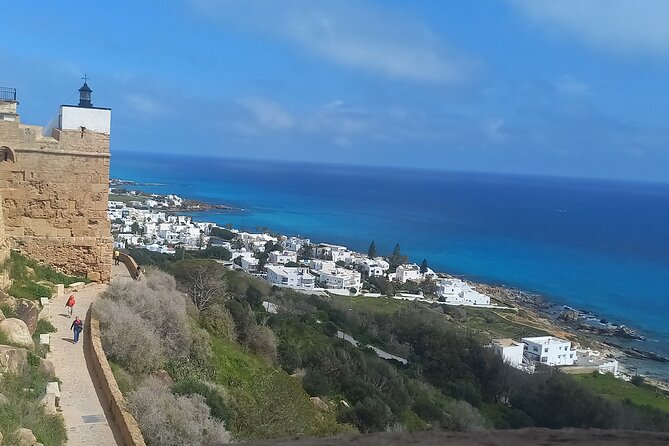
The day starts at Fort de Kelibia, a citadel from the 16th century perched on a rocky promontory about 150 meters high. From up there, you get the “okay, this is why people fought for this spot” feeling, because the sea and the city spread out beneath you.
What makes this stop more than just a viewpoint is the site’s layer cake of history. The location had a Punic fort in the 3rd century BC. Romans later dismantled it, Byzantines rebuilt and kept expanding it, and then the Ottomans further shaped the defenses as they faced repeated assaults.
Give yourself time to walk the levels at your own pace. When you’re on high ground, small angles matter, and the guide can point out how the earlier fortifications influence what you see today.
Kerkouane UNESCO: a Punic city plan you can still read
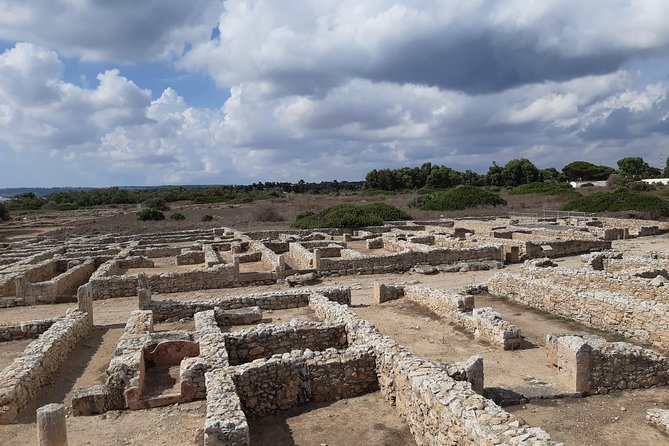
Kerkouane is the anchor stop, and it’s a very specific kind of UNESCO site. It’s precious in part because it’s one of the few places where the foundation dates back to the Punic era, often placed around the 6th century BC, and where the Romans did not rebuild over it after their annexation of Africa.
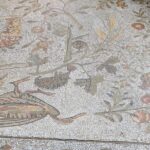
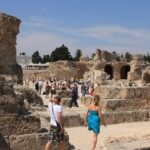
That detail changes how you experience the ruins. You’re not just looking at scattered stones or a generic “old place.” You’re looking at an urban space where the Punic layout is clearer, including a layout of houses that helps you imagine day-to-day life before later powers reshaped the region.
The site was also heavily leveled after destruction, and it wasn’t rediscovered until the early 1950s. In other words, what you see now is the result of careful rediscovery and interpretation, so it’s worth going slowly and letting the guide connect the dots.
The time allotment is about right for seeing the main structure and getting a solid story without feeling rushed. Still, if you love archaeology, you’ll likely want extra minutes for photos and for scanning the layout.
Echraf olive tree: a 2,500-year stop you can feel
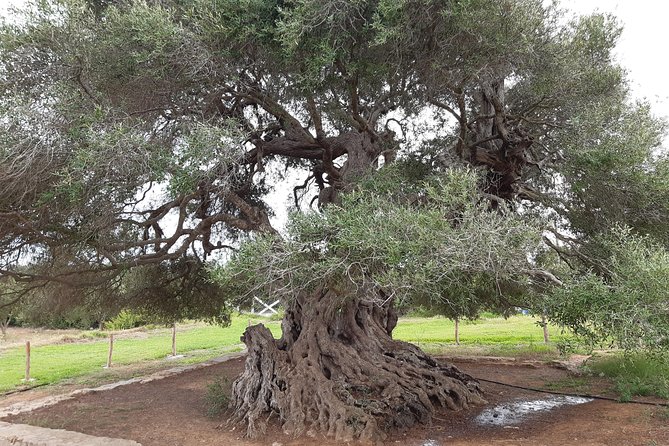
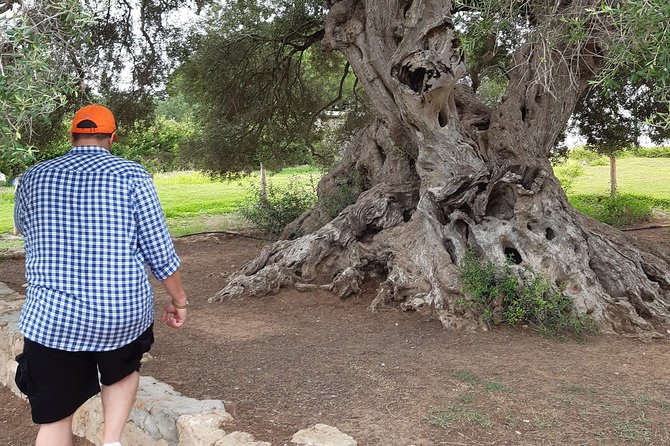
Next comes Echraf, and this is where the day shifts gear. Instead of walls and ruins, you get a living landmark: a famous olive tree that’s described as the oldest olive tree in Tunisia.
The numbers are big enough to grab you even if you’re not a tree person. The roots cover about 16 meters, the trunk circumference is around 6 meters, and the tree is said to be over 2,500 years old. What matters most, though, is that it’s protected, maintained, and still produces olives.
There’s also a tradition around the olive oil made from it, described as being distributed in small vials each year. It’s not the kind of stop where you’ll learn one fact and move on. It’s more like a quiet pause, where you can stand and notice how people keep honoring something that predates modern borders.
This is also a shorter stop, about 30 minutes, so it works well even if you’re tired from the drive. If you want a photo moment that feels human and not just scenic, this one delivers.
Ghar el Kebir and Haouaria caves: sea time with bird season context
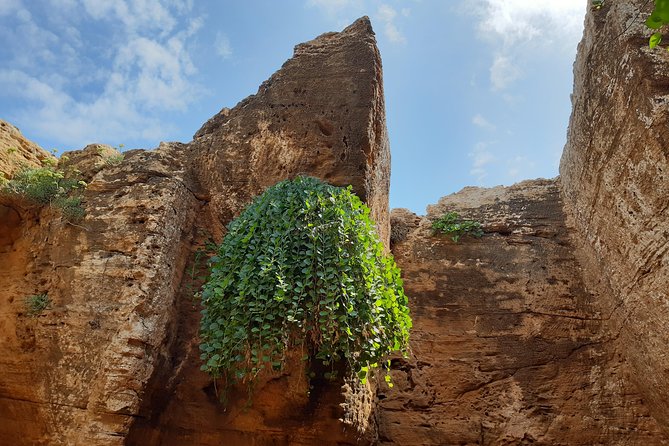
The final big stop is the seaside area around Ghar el Kebir, also tied to El Haouaria. Expect a coast with crystal-clear water, coves, and caves, plus the chance to see dolphins mentioned in the tour description.
You’ll also get a more thoughtful layer here. The area is described as a refuge for migratory birds, and the guide can help you connect what you’re seeing to seasonal movements. The Romans reportedly nicknamed the place Aquilaria, meaning land of the eagle.
If you visit in spring, this region can be especially busy in terms of bird migration. The description points to around 40,000 raptors from 24 species stopping there, along with thousands of storks and other birds, before crossing the Mediterranean.
One consideration: the coast can attract crowds in summer, and the tour notes that visitor behavior can threaten the once wilder feel. You can’t control that, but you can control your approach. If you care about atmosphere, bring patience, plan for shared space, and focus on the coves and caves rather than trying to find a perfect empty shoreline.
Price and logistics: what $141.36 buys you
At about $141.36 per person, this tour isn’t the cheapest way to see Cape Bon, but the structure helps justify the cost. You’re getting private transportation, an air-conditioned vehicle, WiFi onboard, and a certified professional guide, plus admission tickets for key sites.
The tour is also priced as a private experience, meaning your group travels together rather than being mixed into a larger tour. If you’re traveling with family or friends who want flexibility, that can make the per-person cost feel more reasonable.
There’s a practical note to keep in mind: lunch is not included. So you either need to plan snacks, buy something on your own, or accept that you’ll be working around the day’s timing.
Also, the tour description indicates mobile tickets, and the review response mentions that Kerkouane entrance should be included in the price. If you’re offered any ticket payment at the site, pause and confirm what’s already covered. Save any receipts just in case you need to sort it out later.
Finally, this is a day trip that’s often booked around 46 days in advance on average. If Cape Bon is on your calendar, you’ll likely have better choices locking it in earlier.
How long is enough time at each stop?
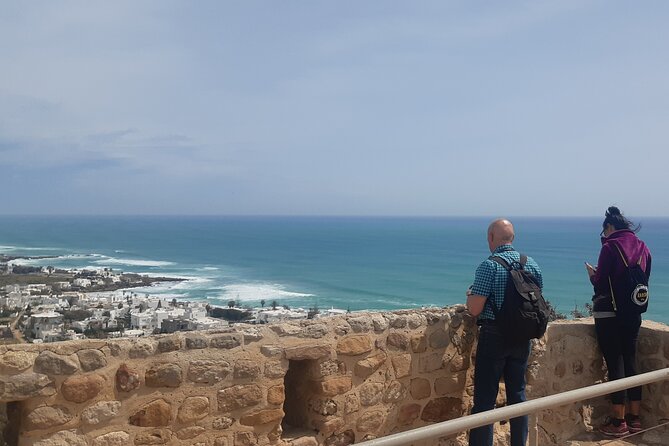
The schedule runs about 7 to 9 hours total, with set blocks at each location. Fort de Kelibia is around 45 minutes, Kerkouane is about 1 hour, Echraf is 30 minutes, and Ghar el Kebir is about 3 hours.
That mix is smart for a first-time Cape Bon visitor. You get a meaningful archaeological segment without burning the whole day on ruins, then you get enough sea time to actually enjoy the coast rather than just stepping out for a quick look.
The main slowdown is the driving time. One of the recurring themes around this route is that the trip from Tunis can feel long. Still, the payoff comes from not having to coordinate each stop yourself, and from getting an expert explanation that makes the sites easier to understand.
What makes the guide experience feel worth it
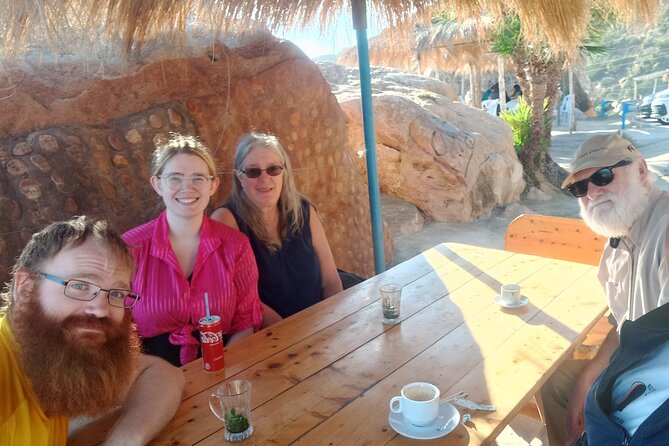
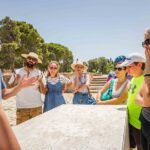
The biggest differentiator here is the guide. The trip is built around a certified professional tourist guide, and the style of guiding shows up in how stops are explained and how the day is paced.
In practice, that means you’re not wandering a UNESCO site guessing what you’re looking at. You’re getting context for why Kerkouane matters, what Fort de Kelibia’s layers mean, and how to connect coastal features to migration and Roman-era naming.
A good guide also makes the long day easier. Even with a full itinerary, the goal is to keep you comfortable, answer questions, and help you get the most from each time block.
There’s also a practical benefit to WiFi onboard and a smooth pickup. It’s small, but it helps you plan, check directions for later, and keep everyone organized when you’re out all day.
Who should book this day trip?
This tour fits you best if you want one organized day that covers history, coastline, and a living cultural marker, all without heavy logistical work.
It’s a strong match for:
- People who like archaeology and want a UNESCO site that’s explicitly Punic-focused
- Visitors who enjoy viewpoints tied to real history, not just pretty photos
- Travelers who also want nature time, especially bird migration context near Haouaria
- Groups who prefer a private setup instead of joining a larger bus-style crowd
You might want to think twice if:
- You hate long drives and prefer short local walking tours
- You’re hoping for a full lunch included, since it is not
Should you book this tour?
If your ideal day in Tunisia is part ancient ruins, part coastal breathing room, and you like having a guide connect details into a clear story, I think this is a great buy. The value comes from bundling private transport, key admission tickets, and expert interpretation into a single schedule.
Book it when you’re ready for a longer day and you can handle a “no lunch included” reality. Skip it if you only want a quick taste of Cape Bon and you plan to spend most of your time on one single beach.
FAQ
FAQ
How long is the Cape Bon day trip?
The duration is about 7 to 9 hours.
Does the tour include pickup and private transportation?
Yes. Pickup is offered, and the tour includes private transportation in an air-conditioned vehicle.
Are entrance fees included for the sites?
Admission tickets are included for Fort de Kelibia, the Ruins of Kerkouane, and Ghar el Kebir. The Echraf olive tree stop is listed as free.
Is lunch included in the price?
No, lunch is not included.
Is this a private tour or a shared group?
This is a private tour. Only your group will participate.
Is cancellation allowed, and how far in advance?
Free cancellation is available. You can cancel up to 24 hours in advance for a full refund.
Everything Else We Have Reviewed in Tunisia
- Private Tour to Kairouan, El Jem & Monastir from Tunis_hammamet
- Private tour: Medina,Carthage ,Sidi Bou Said, Bardo Museum+lunch
- Carthage, Bardo Museum, Sidi Bou Said and Medina Private Day Tour
- Private Excursion to Testour, Dougga and Bulla Regia from Tunis.
- Guided Bike Tour of Carthage Archeological Site in Tunisia
Around Cap Bon
Newest off the review desk in Tunisia



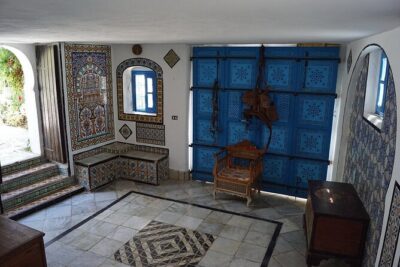
Hammamet, Nabeul & the Cap Bon Peninsula, side by side.
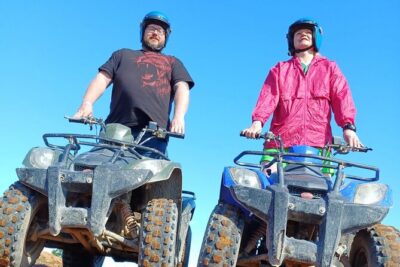 ★ 4.0Quad ride on the hills of HammametFrom $46104 reviews
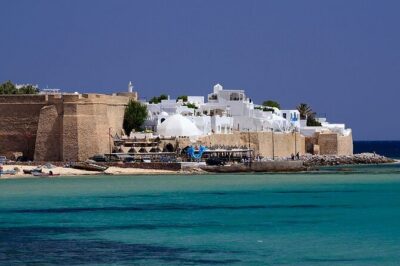 ★ 4.0Tour to the Medina of Hammamet and the Spice Market of NabeulFrom $2945 reviews
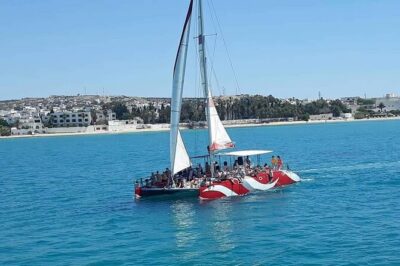 ★ 3.5Sea Trip on Catamaran in Hammamet with TransferFrom $5822 reviews
 ★ 5.0Paddle with us in Golf HammametFrom $4621 reviews
 ★ 4.0Day trip to Cape BonFrom $1085 reviews
 ★ 4.5DayTrip to KORBOUS Thalasso-Thermal Bath & Spectacular SEA CliffsFrom $1295 reviews
 ★ 4.5Private Excursion of Friguia Park and Medina of HammametFrom $1404 reviews
 ★ 5.0Private Excursion to the Cap Bon PeninsulaFrom $1354 reviews
Also listed under