
REVIEW · DOUGGA, BULLA REGIA & THE ROMAN INTERIOR
Bulla Regia and Beni Mtir Cascade Daytrip from Tunis
Ancient ruins, plus a Berber dam village, in one day. What I like most is the chance to see Bulla Regia’s Roman-era mosaics up close and get expert-style storytelling that makes the place feel time-traveled. I also like the comfort of door-to-door A/C transport with onboard Wi-Fi, so you start fresh instead of fried from Tunis traffic. The main catch is that it’s a long day, and lunch is not included, so you’ll want to plan for food breaks.
Bulla Regia sits in the Medjerda Valley, far enough from the city to feel like a real change of pace, but not so far you lose the day to the road. Then you shift from classical ruins to the Kroumirie mountains at Beni M’Tir, where the village architecture and dam views tell a different kind of history. If weather is poor, this experience can be rescheduled, so it helps to be flexible.
In This Review
- Key moments worth planning for
- How the daytrip actually works from Tunis
- Bulla Regia: Roman mosaics and the city’s big ancient story
- What you’ll walk through
- The storytelling effect (and why it matters)
- A practical drawback to expect
- Bulla Regia to Beni M’Tir, shifting from empires to mountain life
- Beni M’Tir: a Berber village with dam views and preserved architecture
- Why the village matters
- What you’ll actually do there
- A simple consideration
- Transfers, timing, and what to do about lunch
- Price and value: is $141.36 per person a fair deal?
- Who this tour fits best
- Tips to make the most of both stops
- Should you book the Bulla Regia and Beni M’Tir daytrip?
- FAQ
- How long is the Bulla Regia and Beni M’Tir daytrip?
- How much does the tour cost?
- Is pickup from Tunis included?
- What languages are available for the tour commentary?
- Are admission tickets included?
- Is lunch included in the price?
- Is this a private tour?
- What happens if the weather is bad?
- What is the cancellation window for a refund?
Key moments worth planning for
- Bulla Regia’s mosaic-heavy ruins, including thermal-bath era spaces, amphitheater features, and big picture Carthaginian to Byzantine context
- Multi-language live commentary (English, French, or German) so you can actually follow what you’re seeing
- Door-to-door A/C vehicle with Wi-Fi, which matters when the day stretches to 7 to 8 hours
- Two focused 2-hour site blocks, one for ticketed ruins and one for the dam-overlooking village
- Mobile ticketing with all fees covered, so you’re not juggling extras mid-day
Roman ruins in the hills: more Dougga and Bulla Regia outings
- Private Excursion to Testour, Dougga and Bulla Regia from Tunis.★ 5.0 · 100 reviews
- Full Day Dougga & Bulla Regia Via Testour Private tour with Lunch★ 5.0 · 29 reviews
- Private Guided Tour of Dougga and Testour Mosque★ 4.5 · 15 reviews
- Roman Archeology Guided Tour Thuburbo Majus & Uthina★ 4.5 · 7 reviews
How the daytrip actually works from Tunis
This is a private outing, so it’s just your group, not a packed bus with strangers. You get pickup from Tunis, then you ride in an air-conditioned vehicle with Wi-Fi. The day is designed to move efficiently: about 7 to 8 hours total, with roughly 2 hours at Bulla Regia and 2 hours at Beni M’Tir.
The driving route matters more than you might think. The day’s rhythm is basically, see major ruins first while you’re still alert, then shift to the mountainous Berber region for the second stop. That order helps, because ruins are more tiring in the sun, and village time is easier to enjoy if you’re not already worn out.
Your guide provides commentary in English, French, or German. That’s a big deal at a site like Bulla Regia, where the layout can look confusing unless someone connects it to the story of who lived there and when. One of the strongest impressions I’ve gathered from past guests is that the guidance can make the setting feel vivid, like you can picture daily life in ancient eras.
There’s also a small practical note: this is weather-dependent. If conditions are bad, you’ll be offered a different date or a full refund, so don’t stack this day right next to other inflexible plans.
Bulla Regia: Roman mosaics and the city’s big ancient story
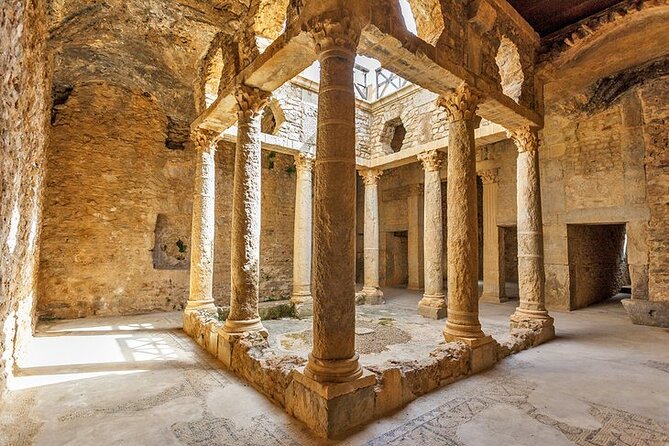
Bulla Regia is one of Tunisia’s most striking archaeological towns, set in the Medjerda Valley north of Jendouba, in the middle of the cereal plains. The site name basically points to the city’s self-image, the beautiful city, and once you’re there you understand why later cultures kept caring about this place.
What makes it special is the long timeline. The city was established in the 4th century BC, then the Romans arrived and took control in 203 BC, with the Roman period consolidating by 156 BC. Later, the story continues into the Byzantine era. In other words, you’re not just looking at one civilization’s buildings, you’re watching layers of power, religion, and daily life overlap across centuries.
What you’ll walk through
Bulla Regia isn’t one single landmark. It’s a whole complex of spaces, and that’s why mosaic lovers tend to get excited. Plan to spend about 2 hours exploring. Expect to see:
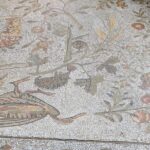
- Mosaics that reflect wealth and taste
- Thermal baths linked to Roman-style leisure
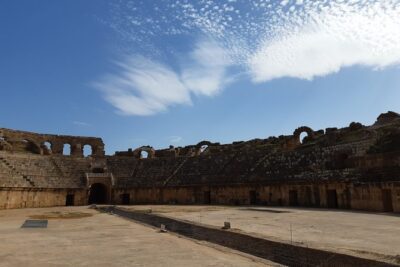
- An amphitheater that hints at public life
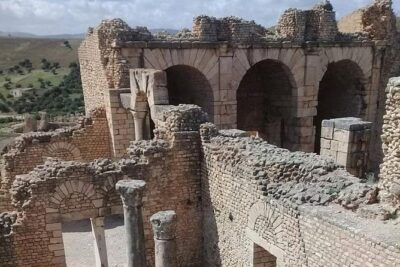
- Wider ruins showing how the city functioned as it changed hands
These are the kinds of details that make the visit feel more than a photo stop. If you like history that you can see, not just read, Bulla Regia is built for that.
The storytelling effect (and why it matters)
Here’s the difference between seeing ruins and understanding them: context. A strong guide can connect the remains to how people lived in different periods. One past guest said the explanations were detailed enough to visualize the setting back in Roman times, around the early 3rd century. That kind of guidance is exactly what you want for a place with multiple eras, because without it, the site can feel like scattered stone.
A practical drawback to expect
Ruins days have the same enemy: comfort. You’ll want sun protection and water, and you’ll probably do more walking than you expected for a “2-hour” stop. The tour includes an A/C car for transport, but the site itself depends on outdoor conditions. If it’s hot, you’ll enjoy the ruins more if you take brief shade breaks when possible.
Bulla Regia to Beni M’Tir, shifting from empires to mountain life
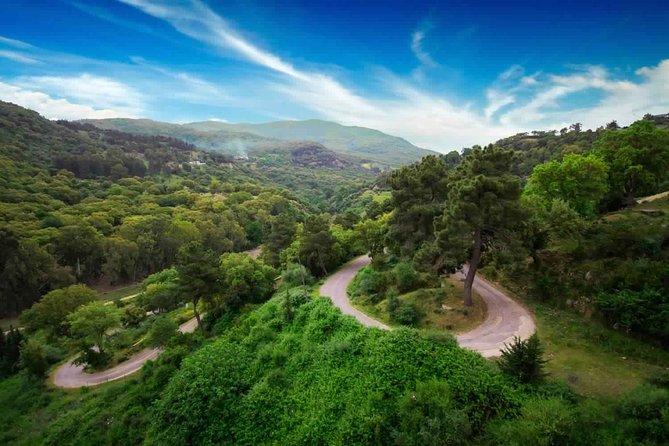
After the ruins, the day moves you from the Medjerda Valley toward the Kroumirie mountainous region. Beni M’Tir is located just a few kilometers from Bulla Regia and from Aïn Draham, so you’re not looking at a second long drive. The point is a change of tone, from classical grandeur to a village tied to the land and its water.
This is also a Berber region. The area belongs to the confederation of Kroumirs, so the cultural framing is different from what you just saw among Roman and Byzantine remnants. Instead of digging into ancient architecture, you’re looking at how a community shaped around the dam still carries its older look.
Beni M’Tir: a Berber village with dam views and preserved architecture
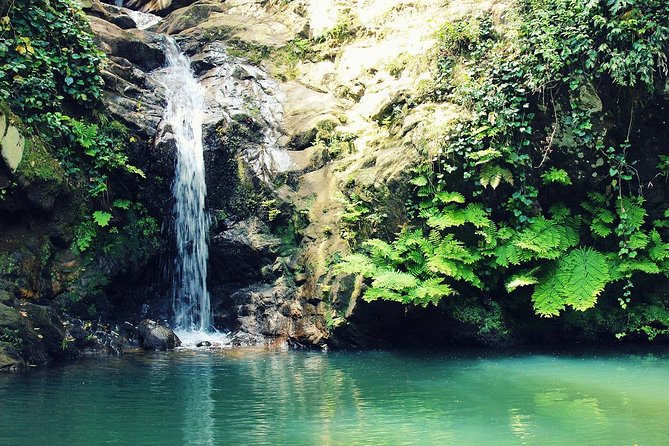
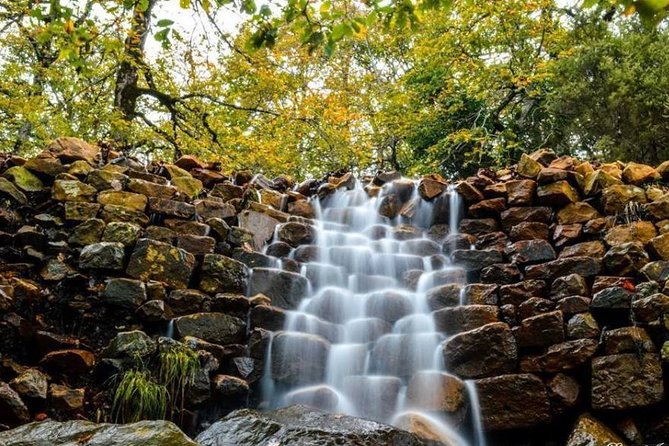
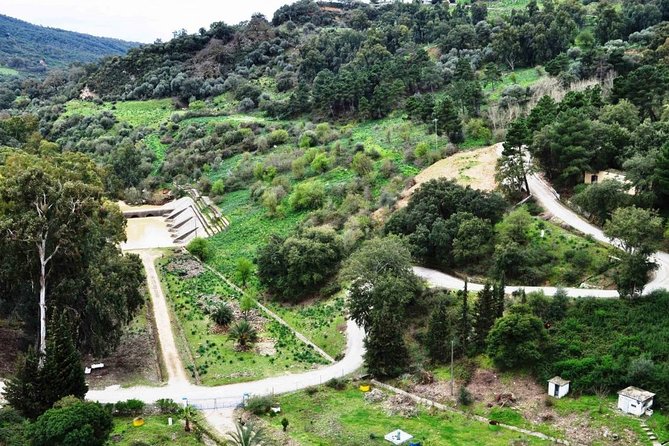
Beni M’Tir is a village in north-western Tunisia in the mountainous Kroumirie area. It overlooks its namesake dam, and that alone changes how you experience the region. You’re not just looking at buildings, you’re looking outward at where the water and climate shape daily life.
Why the village matters
Beni M’Tir was built in 1948 to house the engineers and workers who came to build the dam. Even though it’s relatively modern compared to Bulla Regia, the village’s feel is not random. A municipal decree helped preserve its characteristic look, including:
- Tiled roofs
- Identical facades
- Black shutters
- Red frames
So you get a place where planning and tradition overlap. It’s a reminder that “history” in Tunisia isn’t only ancient. Infrastructure, labor, and regional identity are part of the story too.
What you’ll actually do there
The stop runs about 2 hours, and admission is free for this part of the outing. The focus is seeing the village layout, understanding its link to the dam project, and enjoying the mountain perspective. If you’re the kind of traveler who likes culture you can see in details, the consistent building style is worth your attention. If you mostly want big monuments, you might find it quieter than the ruins, which is exactly why it balances the day.
A simple consideration
This part of the day is outdoors and scenic, but it may feel less structured than Bulla Regia. That’s not a downside if you like atmosphere. It is something to keep in mind if you prefer only highly dramatic ruins and don’t want a slower pace.
Transfers, timing, and what to do about lunch
The itinerary is built around two main visits, so the driving takes up most of the “in-between” time. With pickup in Tunis and total duration stretching to 7 to 8 hours, you’ll probably have a long window between the morning ruins and the village walk.
Lunch is marked as not included, so don’t assume the price covers it. Still, a good daytrip should include time to eat, and many people naturally turn this gap into a relaxed meal stop with local flavors. The safest move is to treat lunch as your responsibility:
- bring a snack if you run hungry
- plan a simple lunch option near where you’ll have a break
- keep water with you during the day
If you’re hoping for a full sit-down lunch included in the tour price, check details when you book, because the listing for lunch is clear. The good news is that the day is long enough that you won’t feel rushed, as long as you come prepared.
Price and value: is $141.36 per person a fair deal?
At $141.36 per person for a private full-day outing, you’re paying for three things that add up fast on your own: guided time, transport, and entrance costs.
Here’s where the value comes from:
- You get admission included for Bulla Regia, which is the big ticket item of the day
- Your transport includes A/C and Wi-Fi, plus door-to-door pickup from Tunis
- The tour includes all fees and taxes, which reduces surprise costs
If you tried to recreate this day on your own, you’d likely spend time figuring out timing and transport, then pay separately for tickets and guide help to make sense of the site. The guided commentary is often the difference between “cool ruins” and “I understand what I’m seeing.”
The one thing you should compare in your own planning is lunch. Since lunch is not included, your total day cost will be the tour price plus whatever you choose to eat. But even with that, the bundle still tends to be cost-effective for travelers who want a smooth day without the stress of driving, parking, and figuring out site context.
Who this tour fits best
This is a great fit if you want:
- a ruins-first day with mosaics, baths, and an amphitheater
- a guide who can explain how Carthaginian, Roman, and Byzantine layers connect
- a change of pace after ruins, with a dam-overlooking village and preserved architecture
It may not be ideal if:
- you only want one big site and hate slower scenic moments
- you strongly prefer tours where meals are included
- you need guaranteed indoor time, because both stops are mostly outdoors and weather matters
Most people can participate, and it’s designed for comfortable ground travel, not extreme hikes. If you have questions about how much walking you’ll do beyond what you expect, it’s worth asking before you commit.
Tips to make the most of both stops
A little prep makes the day feel easier.
For Bulla Regia:
- bring sun protection and water
- wear shoes that handle uneven stone and museum-like paths
- plan to listen closely, the site rewards attention to layout and era changes
For Beni M’Tir:
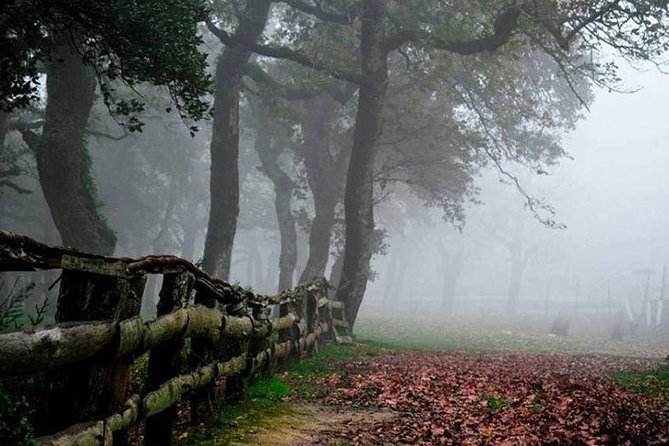
- dress for mountain weather shifts, especially if it’s cooler at higher points
- take time with the village facade details, the color and shutters are part of the story
- treat this stop as atmosphere and architecture, not only photo ops
Also, because you can get commentary in English, French, or German, pick the language you’ll actually enjoy listening to for hours. You’ll remember more when you can follow without effort.
Should you book the Bulla Regia and Beni M’Tir daytrip?
I’d book it if you’re balancing two types of travel in one day: ancient ruins with mosaic power, plus a Berber village that connects modern life to the dam and the region’s Kroumirie identity. The tour’s value is in the pairing, and the comfort is real, especially the A/C transport and onboard Wi-Fi when you’re spending most of the day away from Tunis.
Skip it or rethink if you’re only interested in one kind of experience, or if you need lunch fully covered in the price. Otherwise, this is the kind of daytrip that leaves you with more than souvenirs. You’ll leave with a sense of how Tunisia’s story keeps moving forward, from classical empires to the people who built the water infrastructure that still shapes the landscape.
FAQ
How long is the Bulla Regia and Beni M’Tir daytrip?
The tour runs about 7 to 8 hours.
How much does the tour cost?
It costs $141.36 per person.
Is pickup from Tunis included?
Yes, pickup is offered, and door-to-door transportation is included.
What languages are available for the tour commentary?
You can choose commentary in English, French, or German.
Are admission tickets included?
Yes. Admission tickets are included for Bulla Regia, while admission for Beni M’Tir is free.
Is lunch included in the price?
No, lunch is not included.
Is this a private tour?
Yes. It is private, and only your group participates.
What happens if the weather is bad?
This experience requires good weather. If it’s canceled due to poor weather, you’ll be offered a different date or a full refund.
What is the cancellation window for a refund?
You can cancel for a full refund up to 24 hours in advance. If you cancel less than 24 hours before the start time, the amount paid is not refunded.
Everything Else We Have Reviewed in Tunisia
- Private Tour to Kairouan, El Jem & Monastir from Tunis_hammamet
- Private tour: Medina,Carthage ,Sidi Bou Said, Bardo Museum+lunch
- Carthage, Bardo Museum, Sidi Bou Said and Medina Private Day Tour
- Private Excursion to Testour, Dougga and Bulla Regia from Tunis.
- Guided Bike Tour of Carthage Archeological Site in Tunisia
Roman Tunisia, Inland
Newest off the review desk in Tunisia

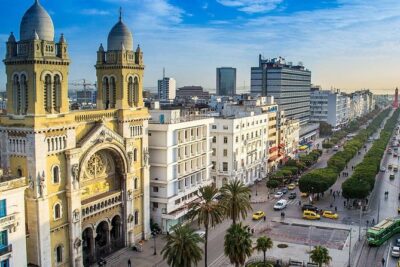
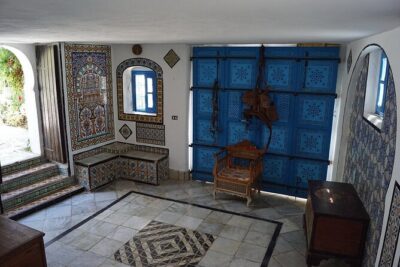
Dougga, Bulla Regia & the Roman Interior, side by side.
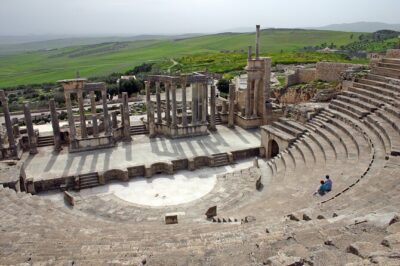 ★ 5.0Private Excursion to Testour, Dougga and Bulla Regia from Tunis.From $127100 reviews
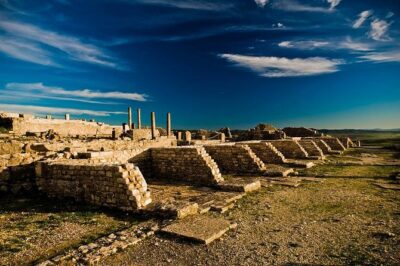 ★ 5.0Full Day Dougga & Bulla Regia Via Testour Private tour with LunchFrom $11529 reviews
 ★ 5.0Private Day Trip to Testour, Dougga and Bulla Regia from HammametFrom $13321 reviews
 ★ 4.5Private Guided Tour of Dougga and Testour MosqueFrom $12715 reviews
 ★ 4.5Dougga and Bulla Regia Guided Tour From TunisFrom $14111 reviews
 ★ 4.5Roman Archeology Guided Tour Thuburbo Majus & UthinaFrom $1407 reviews
 ★ 5.0Private Day Tour DouggaFrom $2366 reviews
 ★ 5.0Dougga Guided Day Tour from TunisFrom $1395 reviews
Also listed under